
Why Roof Tear-Offs Beat Shingle Overlays
When it comes time to replace the roof over your head, you are faced with a major structural and financial decision. For many homeowners in Danville and the surrounding communities, the process starts with gathering a few estimates. As you look through these quotes, you might notice a significant difference in price and scope of work between different roofing contractors. One of the most common reasons for this discrepancy is the method of replacement being proposed. Some contractors might suggest saving a little money upfront by doing a shingle overlay, while others will insist on a complete tear-off.
At No. 1 Exteriors, we often hear from homeowners who are trying to navigate these confusing options while protecting their investment. Roofing is a complex trade, and unfortunately, the industry has its share of shortcuts that can cost you dearly in the long run. If you are wondering whether you should just cover up your old roof or start fresh, you are not alone. Let us dive into the details of a roof overlay vs complete tear off, and explore why stripping your roof down to the deck is almost always the smarter, safer choice for your home.
The Temptation of the Quick Fix: Can You Shingle Over Old Shingles?
One of the most frequent questions we get during initial consultations is, can you shingle over old shingles? Technically speaking, yes. In some jurisdictions, building codes allow for a second layer of shingles to be installed directly over a single existing layer. The primary appeal of this method is the initial cost savings. Because the contractor does not have to spend labor hours removing and disposing of the old roof, the upfront estimate will be lower.
However, this affordable roofing alternative often acts as a band-aid rather than a genuine solution. When you choose an overlay, you are essentially sealing in all the unknown variables of your existing roof. Any hidden wood rot, structural damage, or inadequate underlayment is trapped beneath a brand new layer of materials.
Furthermore, adding a second layer of asphalt shingles adds a tremendous amount of weight to your home's structural framing. A typical architectural shingle roof can weigh thousands of pounds; doubling that weight can cause your roof decking to sag and compromise the structural integrity of older homes. Finally, an overlay traps excess heat in your attic. This poor ventilation bakes your new shingles from underneath, drastically reducing their lifespan and almost universally voiding the manufacturer warranty. When you factor in the shortened lifespan and the potential for severe hidden damage, that initial discount quickly evaporates.
Roof Overlay vs Complete Tear Off: Why Starting Fresh Wins
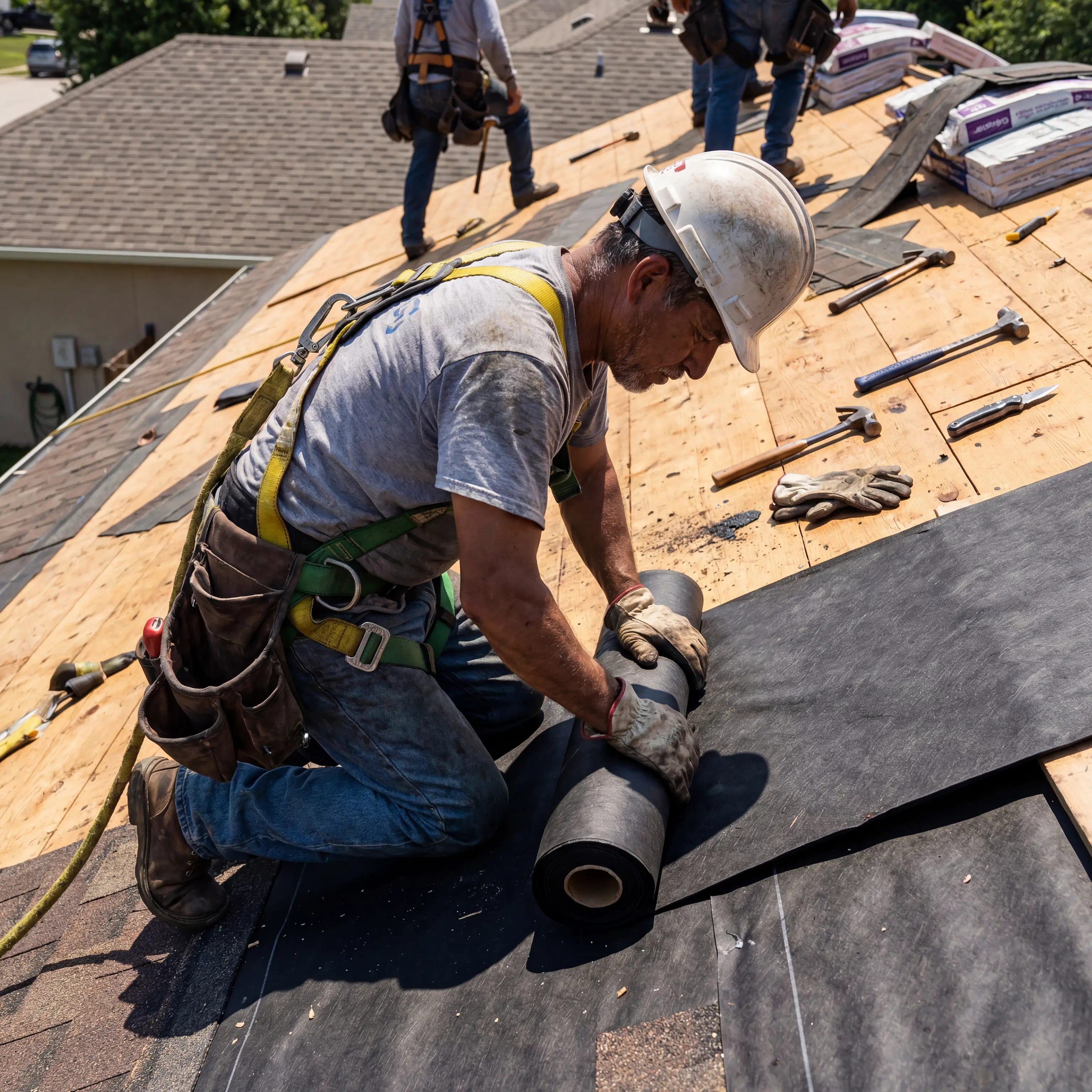
The fundamental difference between these two methods is visibility and preparation. A complete tear-off involves removing every layer of old roofing material, down to the bare wooden decking. This is the only way a contractor can truly assess the health of your roof structure.
During a full tear-off, we can identify and replace any rotted or weakened wood before it leads to a catastrophic leak inside your living room. We also apply new, state-of-the-art ice and water shields along the eaves and valleys. This is incredibly important for Hoosier homeowners, as our freeze-thaw cycles and heavy spring storms demand a watertight seal that an overlay simply cannot provide. By starting with a clean slate, you ensure that the new materials are fastened securely to a solid surface, drastically improving their wind resistance.
Moreover, a complete tear-off allows you to secure comprehensive warranties on both the materials and the workmanship. Manufacturers like GAF or Owens Corning require strict installation standards for their warranties to be valid, and these standards are virtually impossible to meet without a clean decking surface. Ultimately, a full replacement provides peace of mind, knowing that every component of your roof has been modernized and built to last.
Signs Your Roof Needs Full Tear Off
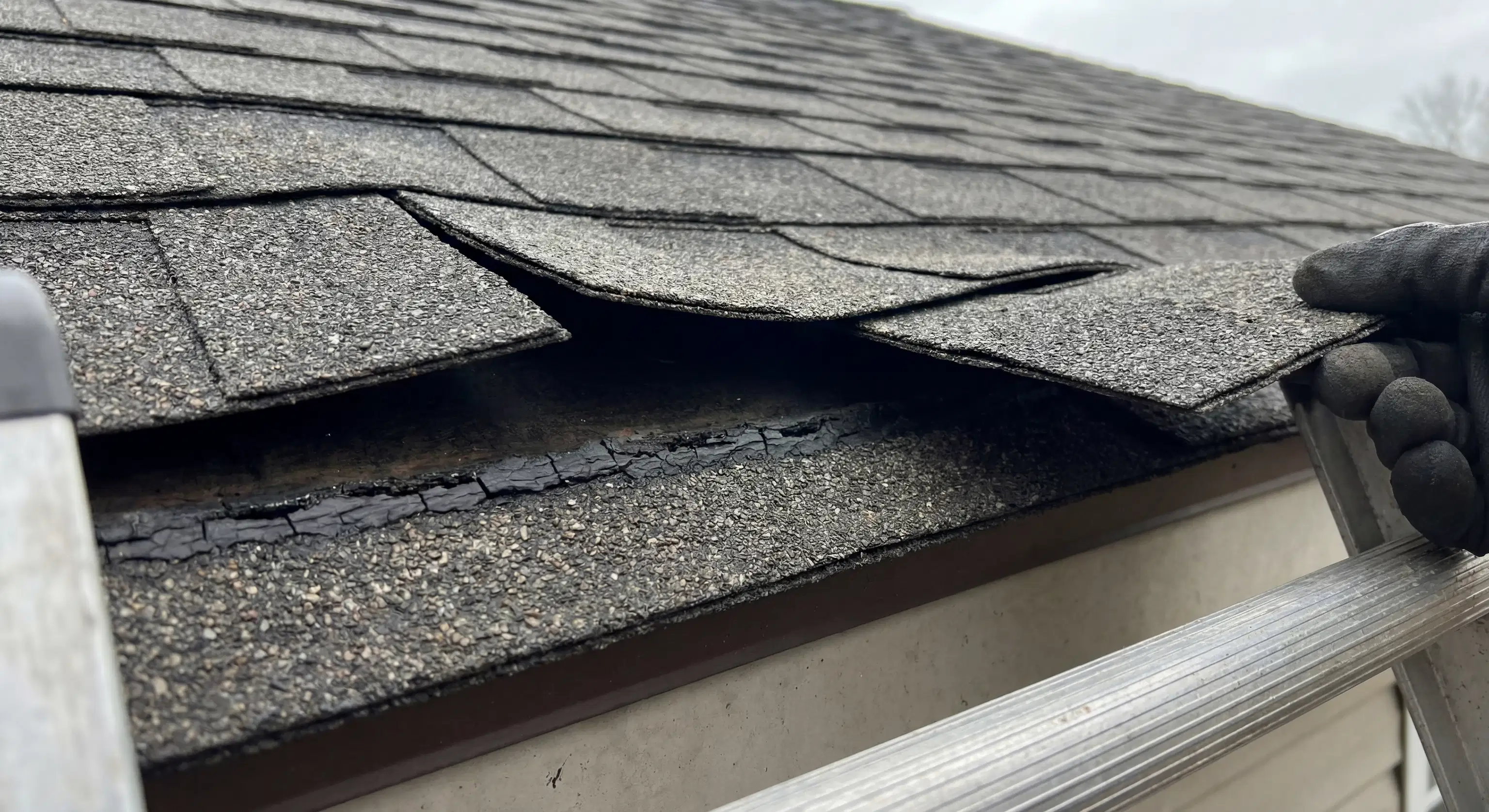
How do you know when a simple repair is no longer enough? There are several clear signs your roof needs full tear off rather than a patch job. First, if your roof already has two layers of shingles, a tear-off is mandatory by virtually all building codes.
Second, if you notice significant curling, cracking, or missing shingles across large areas of the roof, the underlying material is likely compromised. If your roof line appears to be sagging or dipping in certain spots, this is a major red flag indicating that the wooden decking or trusses are failing under the weight or due to moisture damage.
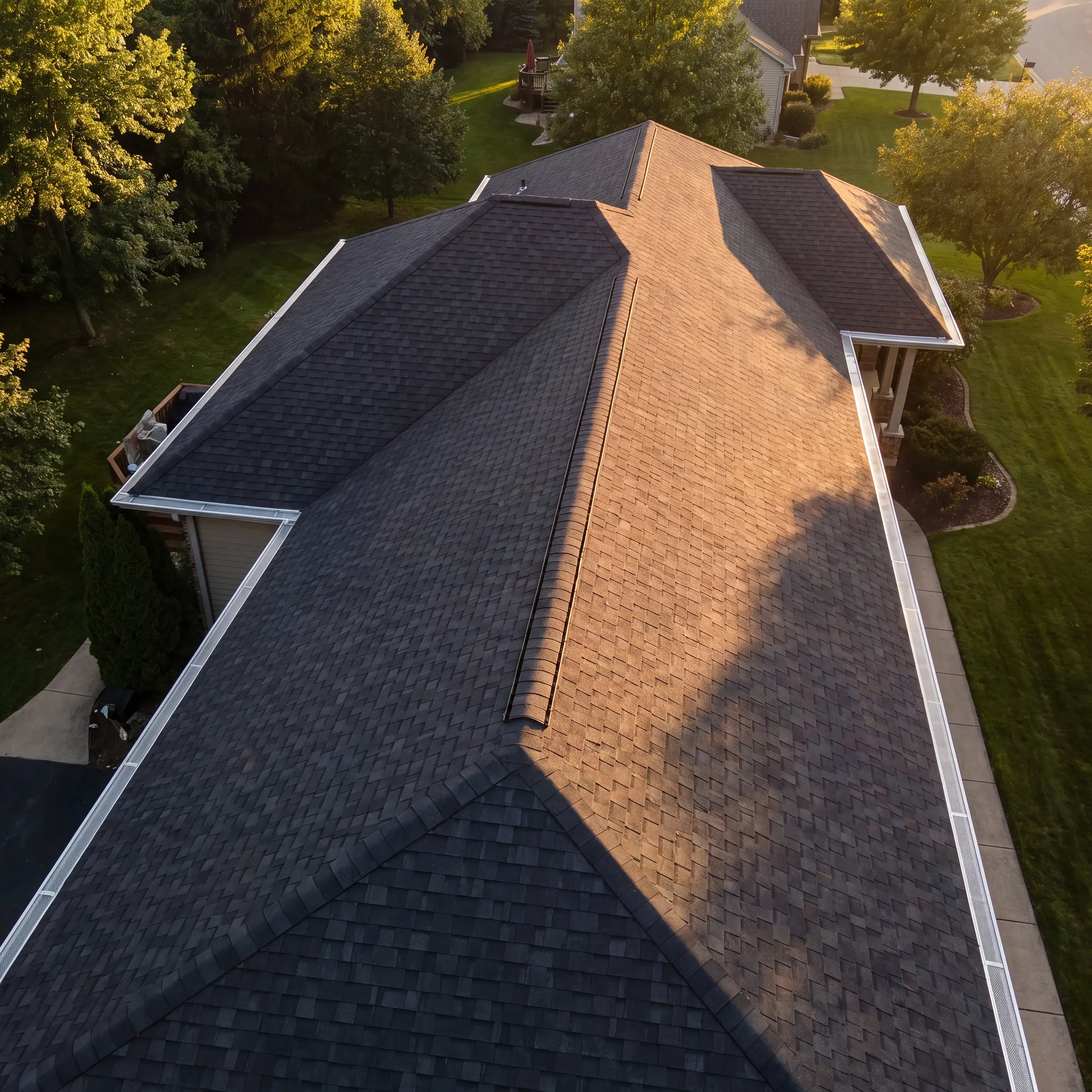
We also strongly recommend a full tear-off if you have experienced severe storm damage. High winds and hail can compromise the structural integrity of the shingles in ways that aren't always visible to the untrained eye. Using modern technology like drone-based assessments, our team can safely and accurately identify these hidden issues, providing you with transparent, detailed pricing estimates without the guesswork.
Protecting Your Home for the Long Haul
Choosing the right approach to your roofing project can save you from years of stress, emergency repairs, and voided warranties. While the lower price tag of an overlay can be tempting, the long-term security, structural integrity, and proper warranty coverage of a complete tear-off make it the undisputed champion for home protection.
At No. 1 Exteriors, we believe in doing things right the first time. We know that accurate estimates, quality materials, and transparent communication are what homeowners value most. If you are noticing signs of wear, or if a recent storm has you worried about the state of your roof, don't wait for a leak to force your hand.
Reach out to our team today to schedule comprehensive roof inspections using our advanced aerial technology. Whether you need a complete roof installation & replacement or want to explore how upgrading your home exteriors can protect your investment, we are here to help Central Indiana residents build stronger, safer homes.