
Why Fiber Cement Resists Winter Weather: A Guide for Your Home
If you have lived in Indiana for any length of time, you already know that our winters can be incredibly demanding on a home's exterior. From the biting winds and heavy snowfalls to the rapid temperature swings that bring ice and sleet, unpredictable weather conditions can take a severe toll on traditional exterior materials. For fellow Hoosiers, maintaining a home that is both beautiful and resilient against these harsh elements is a top priority.
When standard materials like wood or vinyl face the brunt of winter, they often struggle to hold up over the years. Wood is notorious for absorbing moisture, leading to rot and peeling paint, while vinyl can become brittle and crack under freezing temperatures. This is where modern material innovations come into play, specifically engineered to withstand seasonal extremes.
One of the most effective solutions on the market today is fiber cement. Blending the classic aesthetic of wood with the unyielding strength of cement, this material offers unmatched protection against winter's worst. In this article, we will explore exactly why this innovative material is becoming the go-to choice for local homeowners looking to fortify their properties before the snow flies.
The Science Behind Freeze-Thaw Resilience
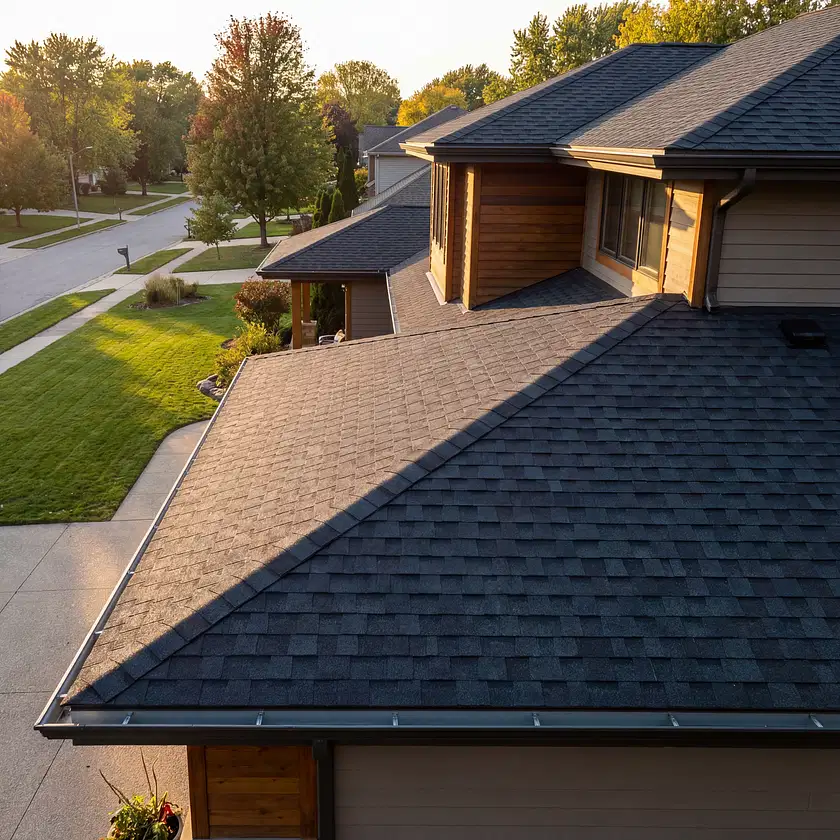
To understand why some homes look worn and battered after just a few winters, you have to look at how freeze thaw cycles damage siding. During the day, sunlight can melt snow and ice, turning it into water that naturally finds its way into the tiny crevices of your home's exterior. When temperatures plummet overnight, that trapped water freezes and expands.
For porous materials like traditional wood, this constant expansion and contraction is a death sentence. The wood fibers stretch and warp, ultimately compromising the structural integrity of the boards. Vinyl, on the other hand, doesn't absorb water, but the plastic compounds shrink in the cold, causing the panels to pull tight and occasionally snap or crack upon impact.
Fiber cement avoids these pitfalls entirely due to its unique composition. Manufactured using a precise blend of Portland cement, sand, water, and cellulose fibers, it is incredibly dense and dimensionally stable. When exposed to freezing temperatures, it does not become brittle. When the snow melts, it resists water absorption. This is why fiber cement siding cold weather durability is so highly regarded in the construction industry. It simply does not react to temperature fluctuations the way other materials do, meaning your home stays protected, insulated, and structurally sound year after year.
Recognizing and Preventing Moisture Damage
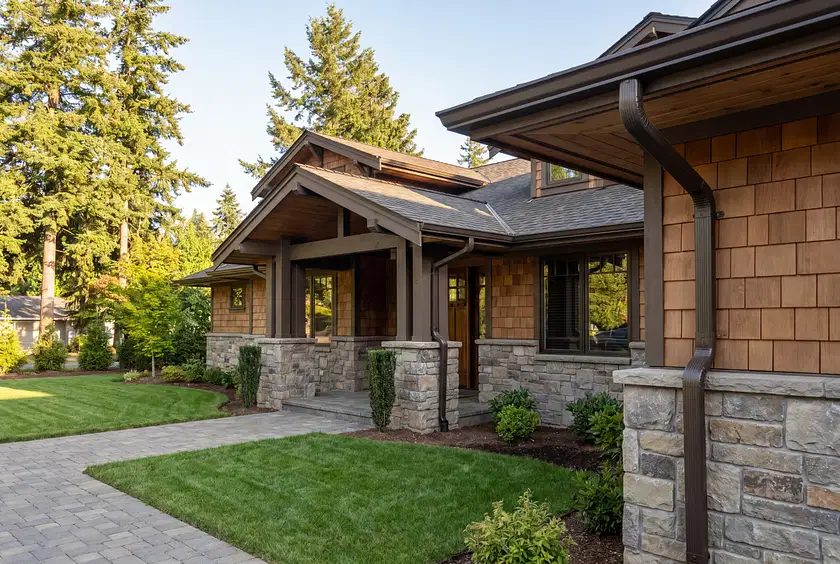
Winter doesn't just bring cold; it brings lingering moisture. Ice dams, melting snowdrifts, and freezing rain all introduce heavy amounts of water to your walls. If your current exterior is failing, you might start noticing the signs of exterior siding moisture damage. These red flags often include bubbling or peeling paint, visible warping or buckling of the boards, soft spots that indicate wood rot, or even mold and mildew growth along the shaded sides of the house.
By the time you see these symptoms on the outside, there is a strong chance that moisture has already penetrated the weather barrier and is threatening your home's insulation and framing. Addressing these issues early is critical. When you upgrade to fiber cement through professional siding installation & replacement, you are investing in a material that is engineered to repel water rather than absorb it.
Furthermore, the protective qualities of fiber cement extend beyond the main panels. The vulnerable edges and corners of your home are just as susceptible to winter wear and tear. Upgrading your exterior is also the perfect time to address aging components with expert trim repair. High-quality fiber cement trim boards provide the same impenetrable defense against moisture, ensuring that every edge, corner, and window frame on your home is sealed tight against the driving winter sleet.
A Lasting Investment in Your Home's Future
Beyond its sheer durability, fiber cement is also non-combustible, resistant to pests like termites and woodpeckers, and holds paint exceptionally well, meaning you will spend significantly less time and money on maintenance over the lifespan of your home. You get the rich, architectural charm of real wood without any of the exhausting upkeep.
Preparing your home for winter shouldn't mean crossing your fingers and hoping for the best. With the right materials and expert installation, you can rest easy knowing your property is shielded against whatever Mother Nature decides to throw at it.
If you are noticing signs of wear on your current exterior or simply want to proactively protect your investment before the cold sets in, the team at No. 1 Exteriors is here to help. Based right here in Danville, we understand exactly what local homes need to thrive through every season. Contact us today to schedule a consultation and learn more about how a fiber cement upgrade can transform and protect your home for decades to come.