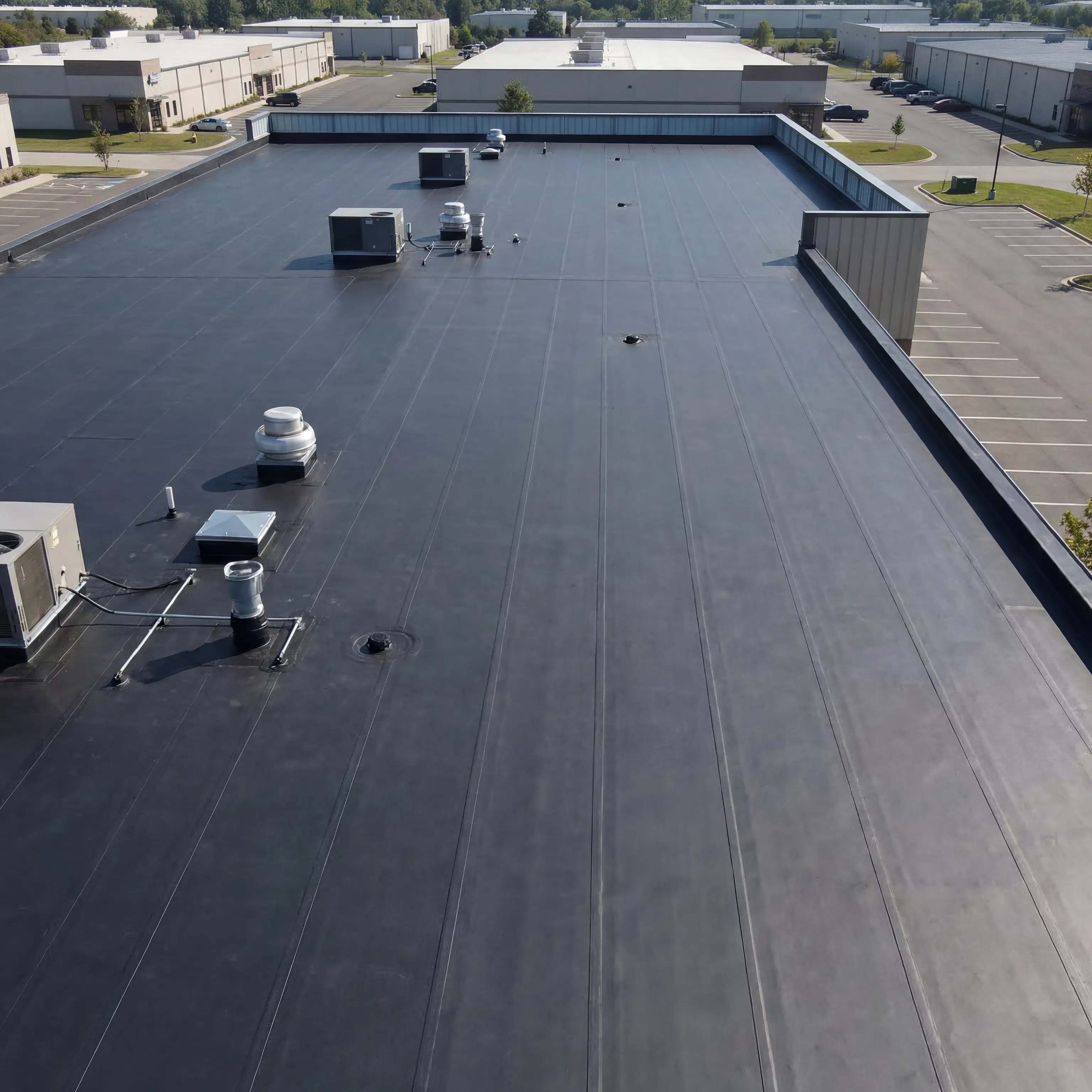
Protecting Low-Slope Roofs from Standing Water
Low-slope and flat roofs are popular choices for both commercial properties and modern homes, offering a sleek look and efficient use of space. However, they come with a unique set of challenges that require proactive maintenance. When you factor in the heavy spring downpours and intense Midwest storms we frequently experience around Indianapolis, managing water runoff becomes absolutely critical to protecting your investment. At No. 1 Exteriors, we often hear from property owners who are frustrated by water pooling on their roofs after severe weather. Left unchecked, standing water can lead to severe structural damage, compromised insulation, and costly interior leaks that disrupt your daily life or business operations. In this guide, we will walk you through everything you need to know about keeping your property safe, dry, and structurally sound.
The Dangers of Ponding Water
In the roofing industry, we define ponding water as any precipitation that remains on a roof surface for more than 48 hours after a rainstorm. Understanding how to prevent ponding water on flat roof structures is one of the most important aspects of long-term property maintenance. When water sits for extended periods, it adds immense weight to the underlying structural supports. A single inch of water covering a 10-by-10 foot area weighs over 500 pounds, placing unnecessary stress on your building. Furthermore, the constant cycle of freezing and thawing during our harsh winter months can rapidly deteriorate roofing materials, expanding small imperfections into major fissures.
For property managers overseeing multi-family & commercial buildings, poor drainage can disrupt business operations, frustrate tenants, and lead to complicated insurance claims. Water that does not drain properly also acts like a magnifying glass for the sun's ultraviolet rays. Over time, this concentrated sunlight bakes the roofing surface, prematurely breaking down the protective layers and accelerating the aging process of the entire system.
Spotting the Warning Signs Early
Catching problems in their infancy is the key to avoiding a full-scale replacement. Property owners should familiarize themselves with the early signs of rubber roof membrane failure. You might notice bubbling, blistering, or areas where the membrane has pulled away from the metal flashing around the edges. If the surface looks excessively cracked, feels unusually brittle, or shows a chalky residue, it is a clear indication that the material is nearing the end of its lifespan and requires professional attention.
Our low-slope rubber roofing systems are specifically designed to withstand significant weathering, but even the absolute best materials require regular visual checks. This is especially true after severe hail or wind events when hidden punctures and small tears can easily occur. Additionally, ensuring your gutters and downspouts are entirely clear of debris is vital; if water has nowhere to escape, it will inevitably back up onto the roof and exacerbate any existing vulnerabilities.