
Is Your Attic Making Your Indiana Summer Hotter? The Importance of Proper Ventilation
Every Hoosier knows the feeling of a hot, humid Indiana summer. The air gets thick, and finding relief becomes a top priority. While you’re cranking up the AC inside, a hidden problem could be making your system work overtime and silently damaging your home: a poorly ventilated attic. That trapped, stagnant air can reach extreme temperatures, baking your roof from the inside out and driving up your energy bills. For homeowners across the greater Indianapolis area, understanding and improving attic ventilation isn't just about comfort—it's about protecting your biggest investment. In this guide, we'll break down why a well-ventilated attic is your roof's best friend and how to spot the signs that your home might be struggling to breathe.
Why a Hot Attic Is More Than Just Uncomfortable
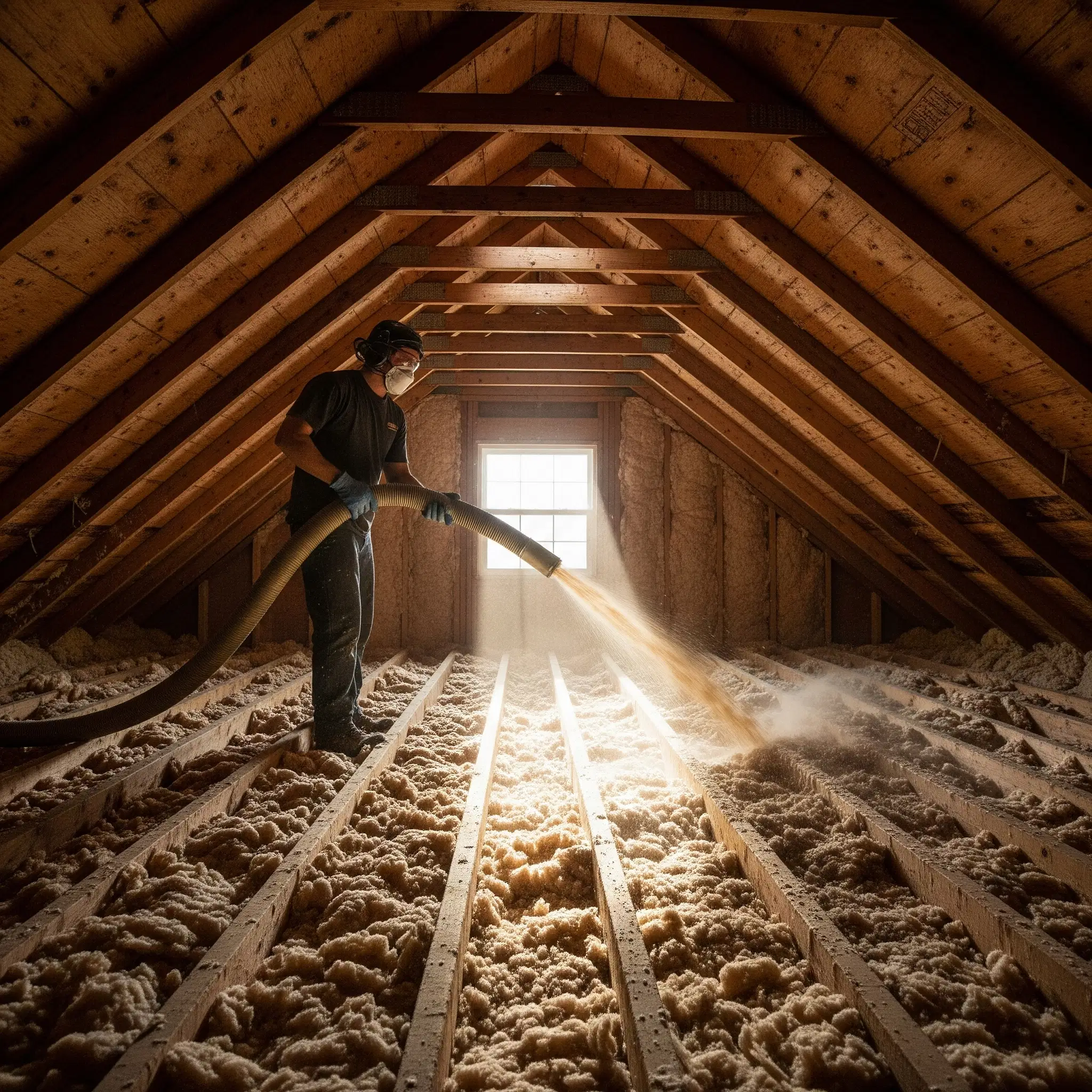
Think of your attic as the lungs of your home. It needs to breathe. During a humid Indy summer, the sun beats down on your roof, causing the air inside your attic to heat up dramatically. Without a proper escape route, this super-heated air gets trapped. At the same time, moisture from daily activities like showering and cooking rises and gets trapped, too. This combination of intense heat and moisture creates a perfect storm for several serious problems:
- Accelerated Roof Aging: Your asphalt shingles are designed to withstand the elements, but constant, intense heat from below can cause them to warp, crack, and lose their protective granules far sooner than their expected lifespan. This can lead to premature and costly roof repairs or even a full replacement.
- Higher Energy Bills: A sweltering attic acts like a giant radiator, transferring heat down into your living spaces. Your air conditioning system has to run longer and harder to combat this heat, leading to a noticeable spike in your cooling costs.
- Moisture Damage: When hot, humid air meets cooler surfaces, it condenses. This moisture can saturate your insulation, reducing its effectiveness, and lead to rot in your roof decking and structural beams. Over time, it can also foster the growth of mold and mildew, which can impact your home's air quality.
Telltale Signs Your Attic Has Poor Ventilation
So, how can you tell if your attic isn't breathing correctly? You don't necessarily need to climb up there to find out. Your house will often give you clues. Here are some common warning signs to look for:
- Consistently High Energy Bills: If your summer cooling costs seem unusually high year after year, a hot attic could be a primary culprit.
- Warm Ceilings: On a hot day, the ceilings on your home's top floor may feel warm to the touch.
- Premature Shingle Damage: Shingles that are curling at the edges, cracking, or blistering can be a sign of excessive heat from below.
- Winter Warning Signs: Poor ventilation also causes problems in the winter. You might notice frost forming on the underside of your roof sheathing or the formation of ice dams along your eaves. These dams can cause water to back up under your shingles, leading to leaks.
- Musty Odors: A damp, musty smell in the attic is a red flag for moisture buildup and potential mold growth.
How a Balanced Ventilation System Works
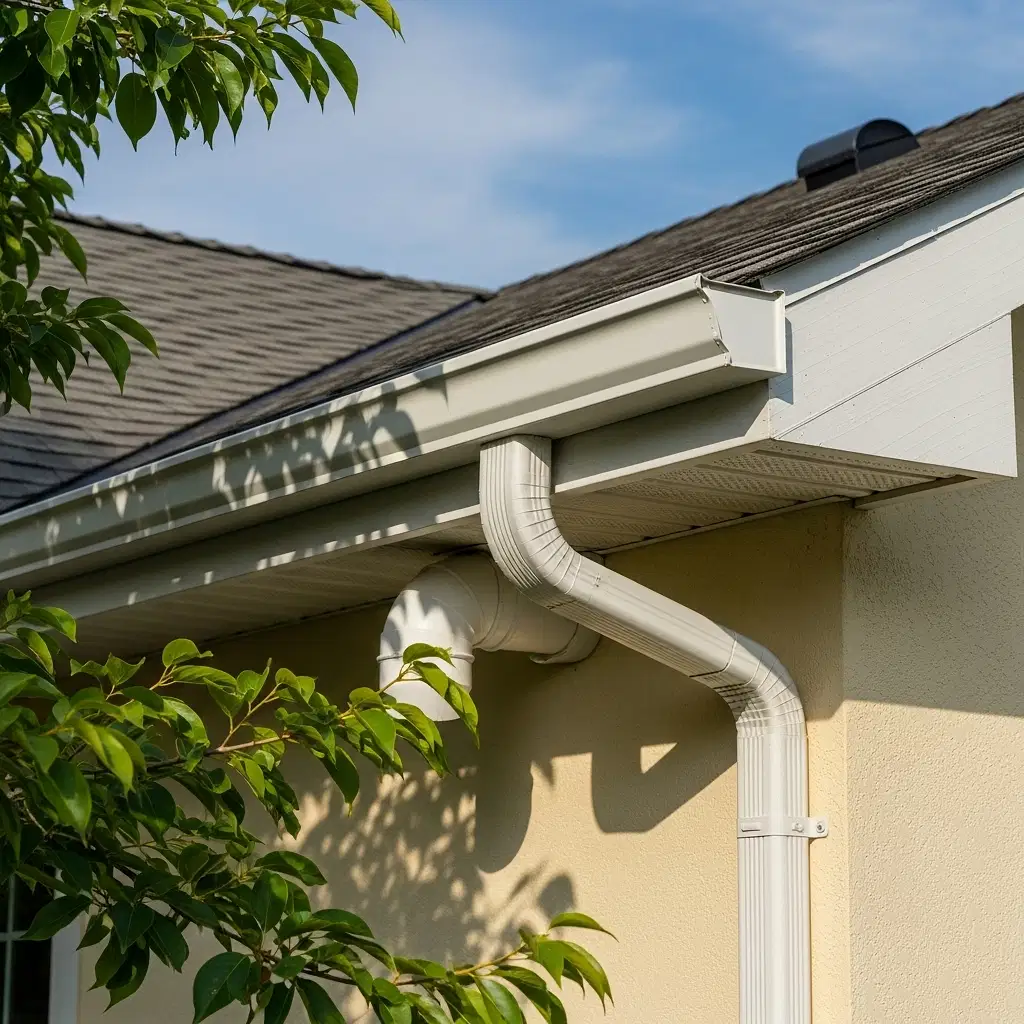
A healthy attic relies on a balanced system of intake and exhaust. The goal is to create a continuous flow of air that naturally removes heat and moisture. This is typically achieved through:
- Intake Vents: Located in the lower part of the roof, usually in the soffits (the underside of your roof's overhang). These vents allow cool, fresh air to enter the attic.
- Exhaust Vents: Positioned near the peak of the roof. As the hot air in the attic rises, it escapes through these vents. Common types include ridge vents, which run along the entire peak, or box vents.
When this system is balanced, it uses natural convection to cycle the air, protecting your home year-round. However, if soffits are blocked by insulation or debris, or if there isn't enough exhaust ventilation, the system fails. A professional roof inspection is the best way to diagnose issues with your attic's airflow. Often, the solution can be as simple as clearing obstructions or performing soffit repairs or replacement to restore proper intake.
Protect Your Home with No. 1 Exteriors
Proper attic ventilation is a critical component of your entire roofing system. It protects your shingles, saves you money on energy costs, and prevents costly moisture-related damage. If you've noticed any of the warning signs mentioned above or simply want peace of mind that your home is prepared for the next Indiana summer, our team at No. 1 Exteriors is here to help.
We provide thorough assessments and expert solutions for all aspects of your home's exterior. From professional roof inspections to targeted roof repairs, we have the expertise to ensure your home is safe, efficient, and protected. Contact us today to schedule a consultation with our team in Danville and let us help your home breathe easier.