
How Fastener Failure Causes Metal Roof Leaks
If you invested in a metal roof for your Indianapolis home, you likely chose it for its impressive durability, longevity, and sleek appearance. Metal roofs are fantastic at standing up to intense Midwest storms, heavy snowfall, and high winds. Because the material itself is so resilient, it can be incredibly frustrating to suddenly spot a water stain on your ceiling.
When a metal roof leaks, homeowners often assume that the panels themselves have failed or that a seam has completely separated. However, more often than not, the culprit is much smaller: the fasteners. The tiny screws holding your roof together are the most common weak points in an exposed-fastener metal roofing system. Understanding how and why these small components fail is the first step in protecting your home from unexpected water damage and costly interior repairs.
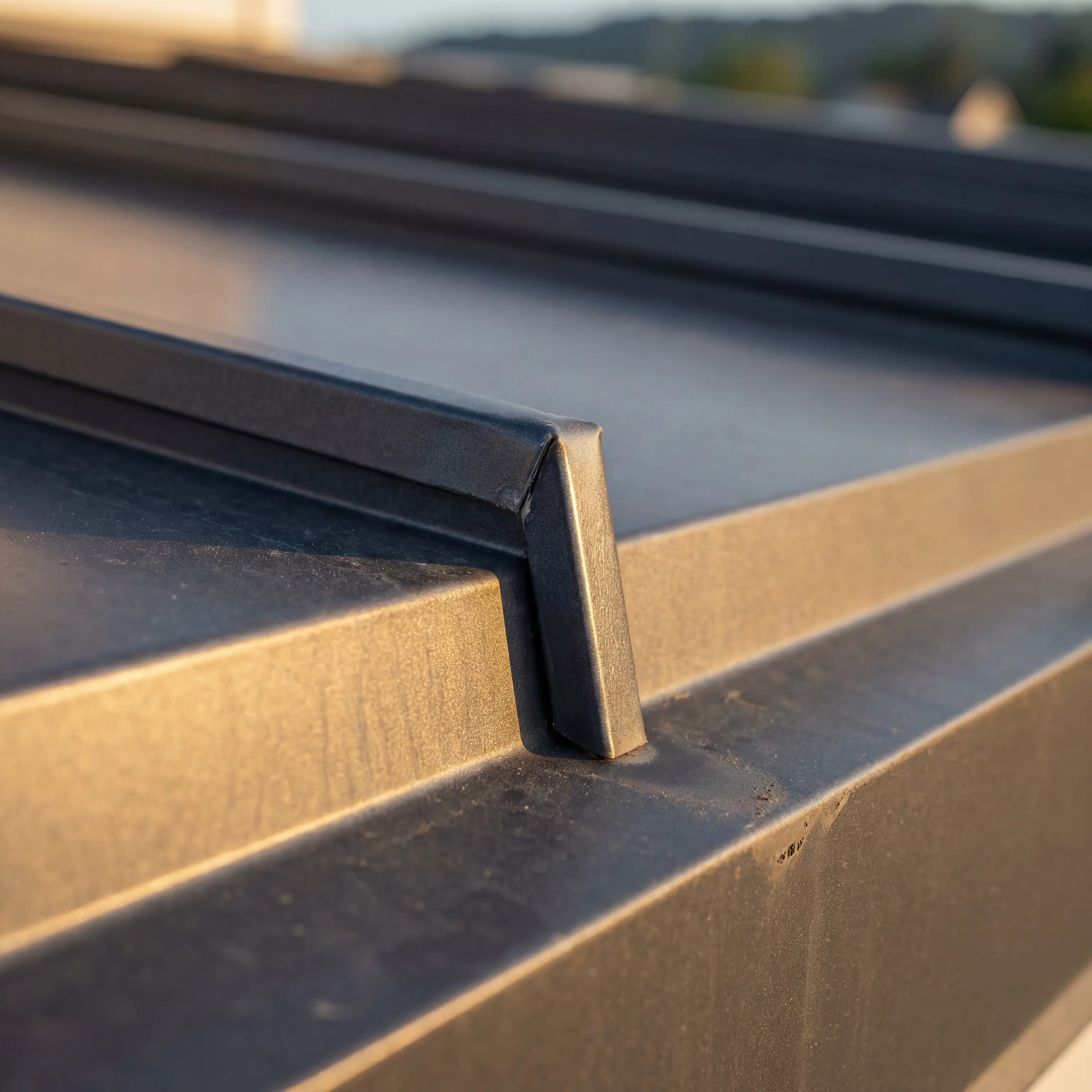
The Anatomy of a Metal Roof Fastener
To understand why leaks happen, you have to understand how metal roof screws are designed to work. An exposed fastener system uses specific screws that are driven directly through the metal panels and into the roof deck below.
These fasteners are equipped with a neoprene or rubber washer located just beneath the head of the screw. When the screw is driven in correctly, this washer compresses against the metal panel, creating a watertight seal that prevents rain and moisture from following the thread of the screw down into your attic. It is a brilliant, simple design, but it is not immune to the passage of time or the elements.
Why Do Fasteners Eventually Fail?
Even the highest quality fasteners have a lifespan that is typically shorter than the metal panels they secure. The primary reason for fastener failure is environmental wear and tear.
Throughout the year, our local weather delivers a beating to exterior materials. The intense summer sun bombards the roof with UV rays, which slowly causes the rubber washers to dry out, lose their elasticity, and eventually crack or crumble. Once that rubber seal degrades, water has a direct pathway into your home.
Furthermore, metal is a dynamic material. As temperatures fluctuate from freezing winter nights to scorching summer afternoons, the metal roof panels naturally expand and contract. This continuous movement—known as thermal cycling—puts immense stress on the screws. Over the years, this subtle shifting can actually cause the screws to slowly back out of the wood decking.
Finally, improper installation plays a massive role in premature fastener failure. If a roofing contractor over-tightens the screw, the rubber washer can split and break. If they under-tighten the screw, the washer won't compress enough to form a seal. If the screw is driven in at an angle, the seal will be lopsided and prone to immediate leaking.
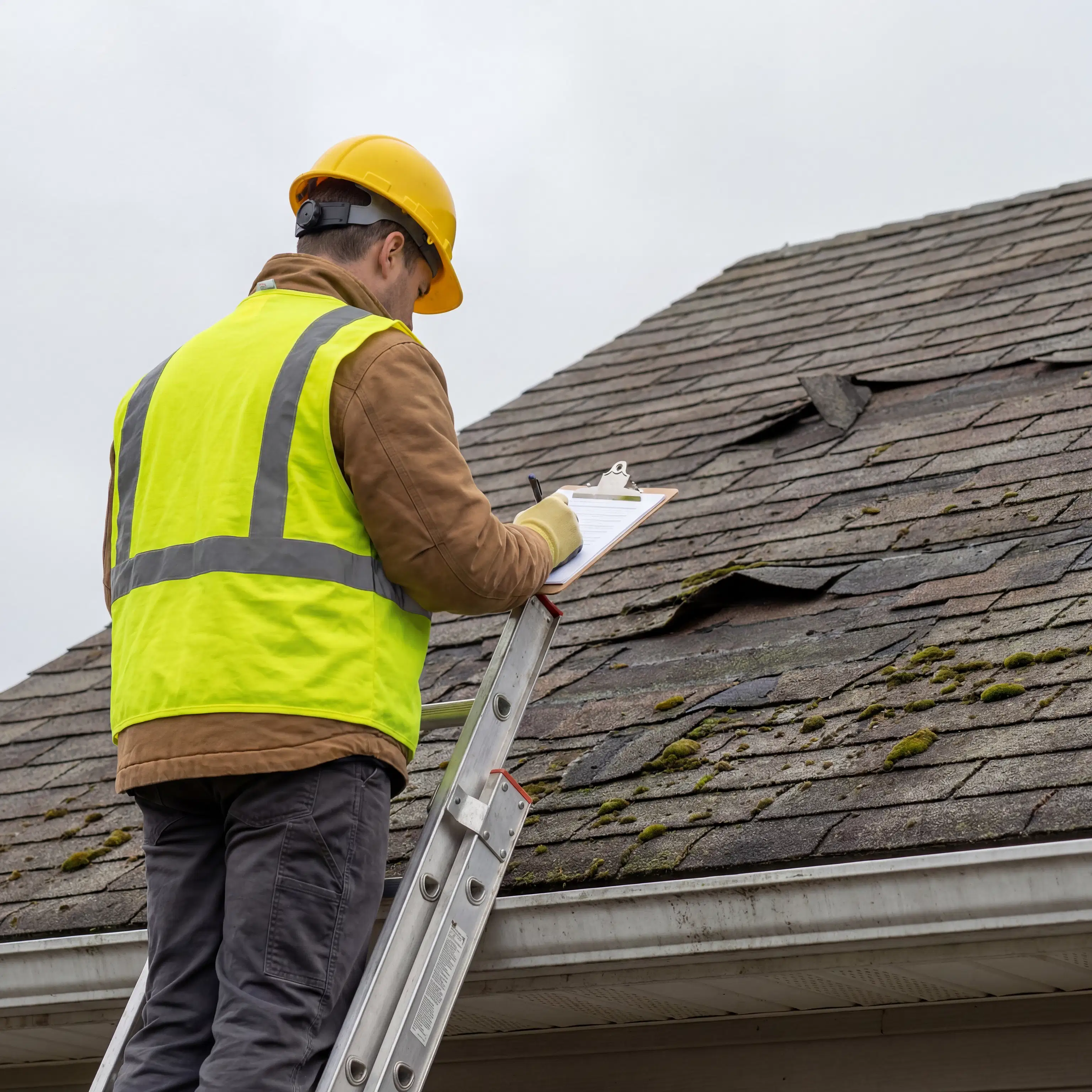
Spotting the Problem Before It's Too Late
Knowing how to find metal roof screw leaks early can save you from needing extensive structural repairs down the line. Because getting onto a roof can be dangerous, we always recommend having a professional handle the inspection, especially considering the strict safety protocols we follow. However, if you are safely looking from a ladder or a high window, there are several visual clues you can look for.
Some of the most common signs of failing metal roof fasteners include:
- Backed-out screws: You might notice that some screw heads are sitting higher than others, no longer sitting flush against the metal panel.
- Missing or cracked washers: If you can see daylight under the screw head or notice little pieces of black rubber deteriorating around the fastener, the seal is broken.
- Rust and corrosion: While the metal panels might be pristine, cheaper screws can begin to rust. Rust on the fastener head often indicates that water is pooling or getting trapped in the recess.
- Staining down the panel: Sometimes, a failing fastener will create a subtle rust streak or dirt trail running down the panel just beneath it.
If you notice any of these issues, it is time to bring in an expert before the next heavy rainstorm hits.
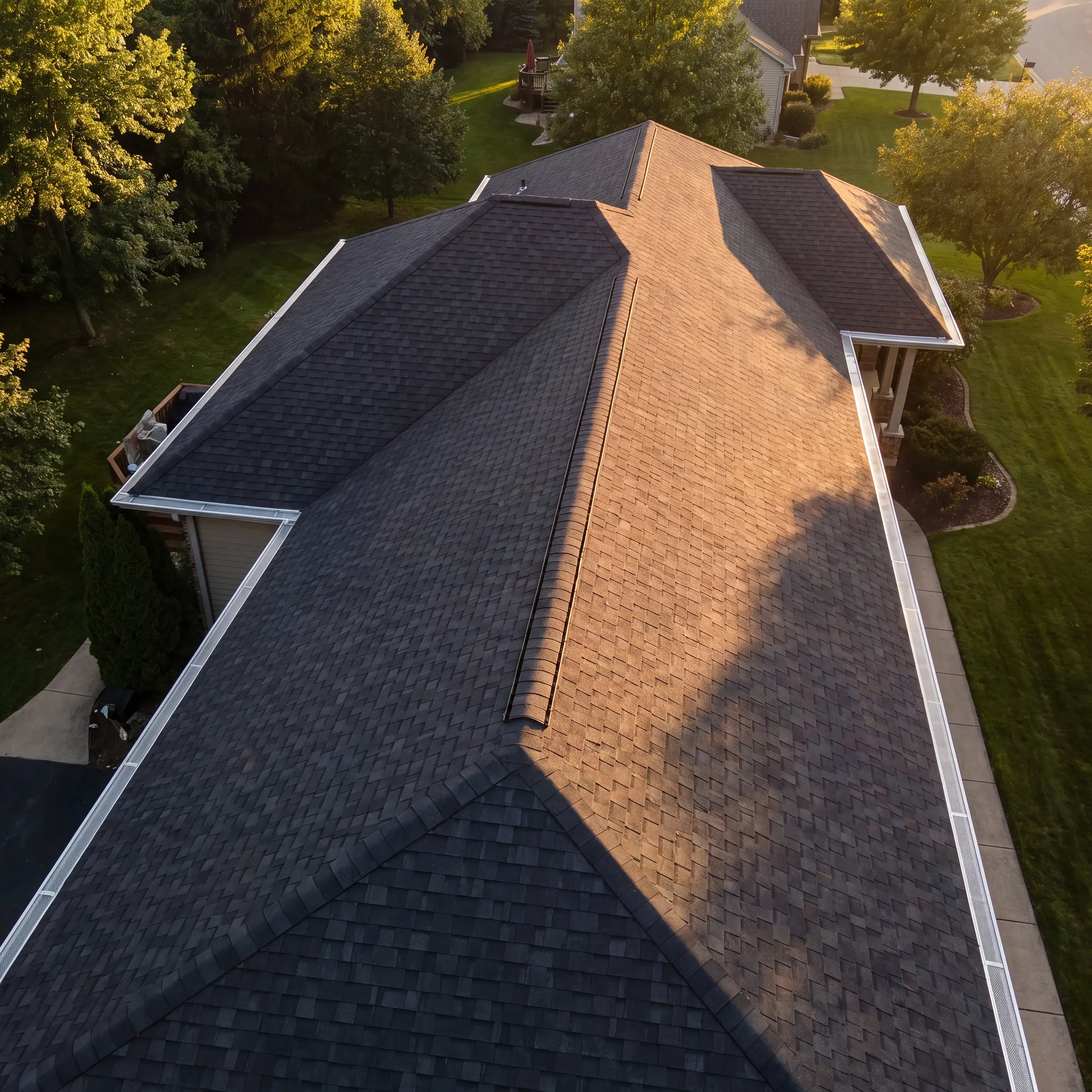
The Solution: Restoring Your Roof's Integrity
Fortunately, repairing leaking screws on metal roof systems is a highly effective procedure when performed by experienced professionals. It is not as simple as climbing up and tightening the old screws back down. If a screw has backed out or the washer is damaged, tightening it will not restore the seal. In fact, it often strips the wood underneath, making the problem much worse.
The proper method involves carefully removing the failed fastener and replacing it with a slightly larger, thicker screw that features a brand-new, high-quality neoprene washer. The larger threads grip the existing hole securely, while the fresh washer provides a perfect, watertight seal.
At No. 1 Exteriors, our crews specialize in comprehensive metal roof repairs. We use advanced techniques and high-grade materials to ensure your roof performs exactly as it should. If a severe storm has recently blown through and you are experiencing an active, steady leak, our team is also ready to provide swift emergency repair to protect your interior drywall, insulation, and valuables from further harm.
In some cases, if a roof is decades old and the metal panels themselves have suffered extensive damage alongside global fastener failure, a replacement might be the most cost-effective long-term solution. In that event, we offer full-scale metal roofing installations built to weather the toughest conditions.
Protect Your Investment Today
A metal roof is an incredible asset for your home, but it requires the right maintenance to achieve its maximum lifespan. Don't let a tiny, compromised washer lead to major structural headaches. We pride ourselves on delivering honest assessments and genuine Hoosier hospitality to every homeowner we serve.
If you suspect your roof's fasteners are starting to show their age, don't wait for a drip to become a downpour. Reach out to the experts at No. 1 Exteriors today to schedule a thorough inspection and keep your home safe, dry, and beautiful for years to come.