
How Damaged Fascia Causes Gutter Failure
When you look up at your roofline, your gutters probably command most of your attention. They are the visible workers, channeling water away from your foundation and keeping your home safe from water damage. However, right behind those gutters lies an unsung hero: the fascia board. This long, straight board runs along the lower edge of your roof, carrying the entire weight of your gutter system.
As a homeowner in Indy, you know firsthand how demanding our weather can be. Between blistering summer sun and heavy spring rain, your exterior takes a beating. When the fascia board becomes compromised by moisture, wood rot, or age, it cannot support the gutters properly. What begins as a minor aesthetic issue can quickly snowball into a complete failure of your home's drainage system. Understanding how damaged fascia impacts your gutters is the first step in protecting your home from costly exterior and foundation repairs down the road.
At No. 1 Exteriors, we often see homeowners who believe they just need a simple gutter fix, only to discover that the root of the problem is severe wood rot along their roofline. By recognizing the early warning signs and understanding the relationship between your roof, fascia, and gutters, you can save yourself significant time and money.
The Hidden Dangers of Midwest Storms and Ice Dams
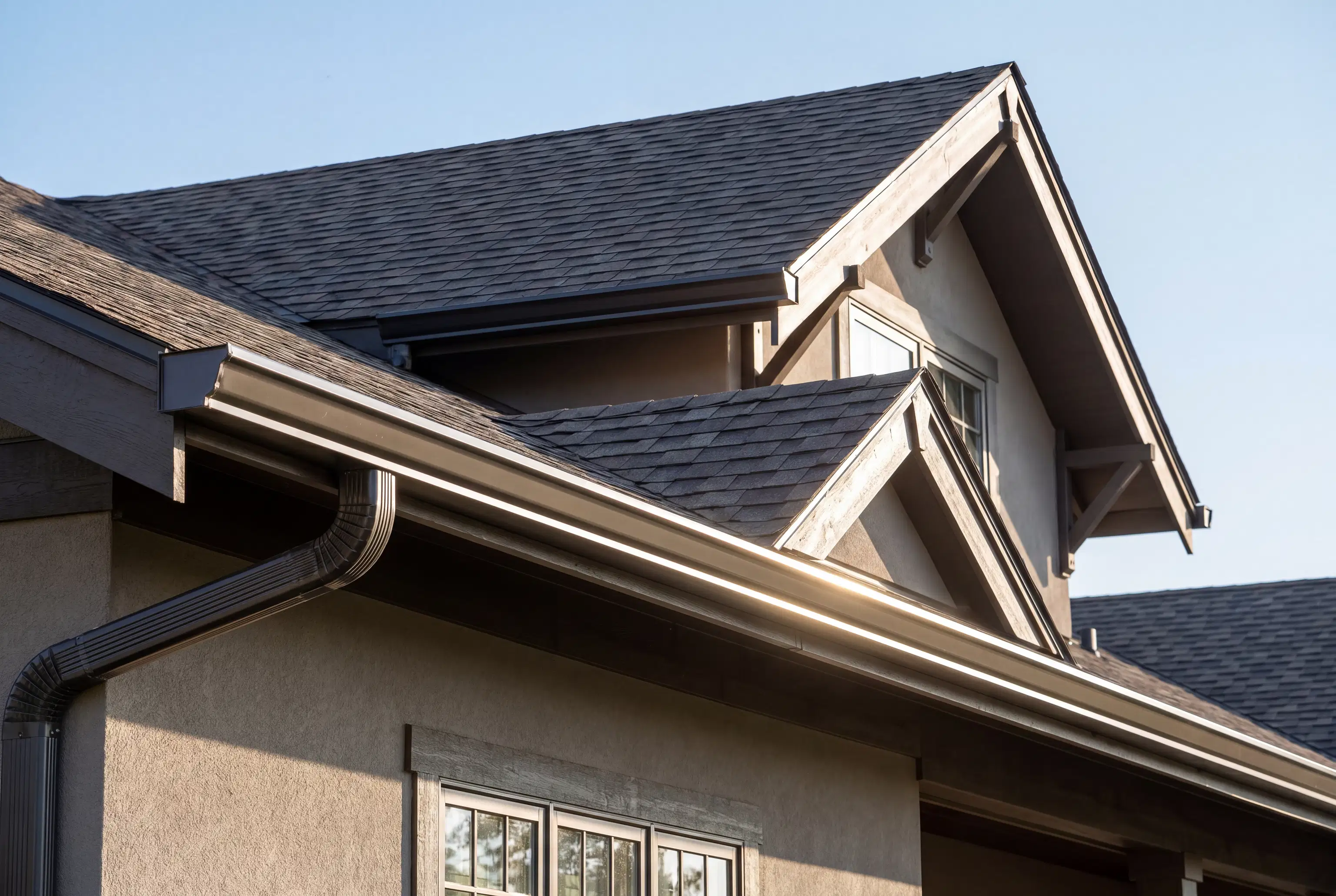
The most common culprit behind fascia damage is chronic exposure to moisture. During severe Midwest storms, high winds can drive rain up and under your shingles if your drip edge isn't installed perfectly. Over time, this water seeps into the wood of the fascia. Furthermore, our harsh winters bring their own set of challenges. When snow melts on your roof and refreezes at the eaves, it creates ice dams. These heavy blocks of ice not only weigh down the gutters but also force water backward into the fascia and soffit areas, accelerating wood rot.
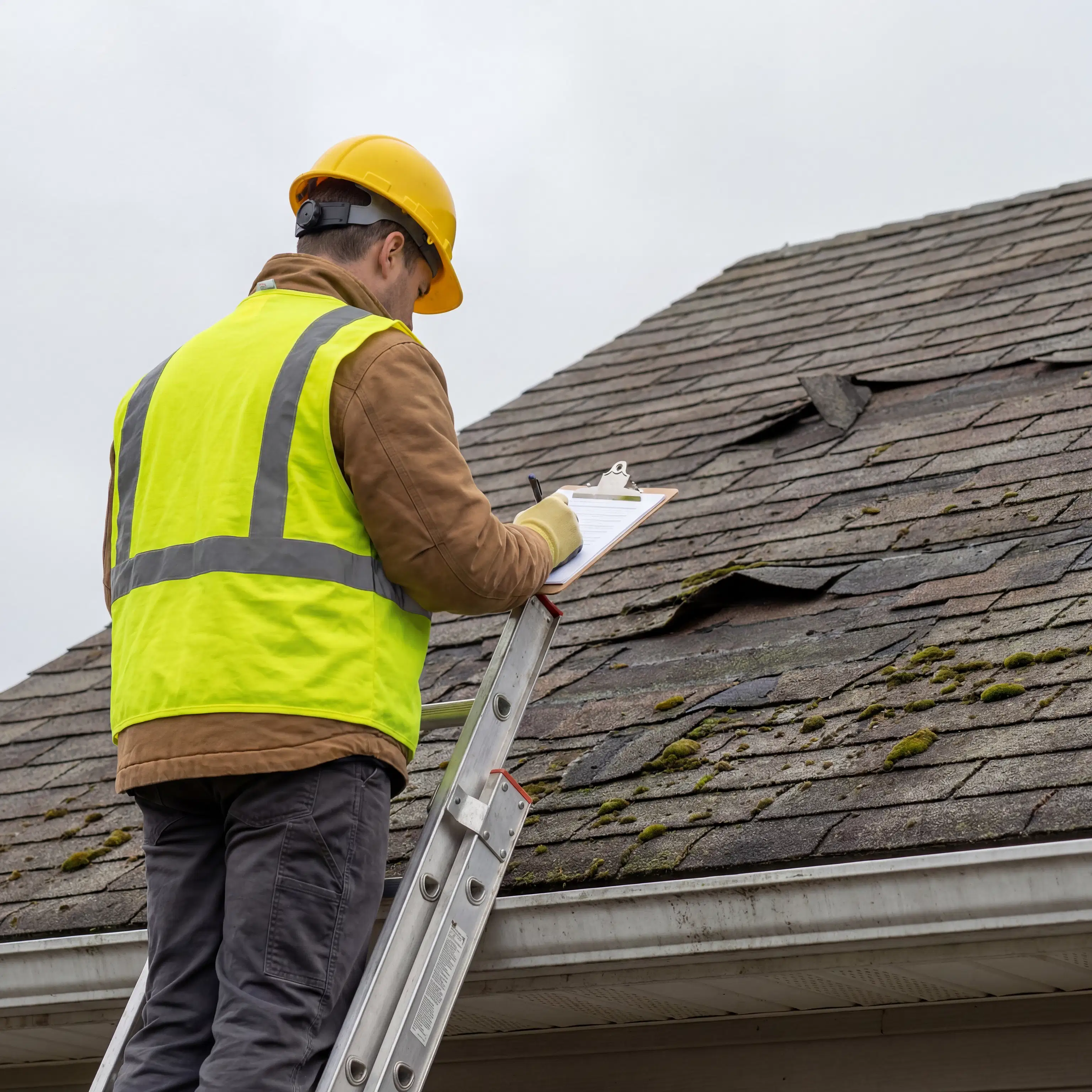
Catching this damage early is critical, but it can be difficult because the gutters hide much of the board. If you are wondering about the signs of rotted fascia board behind gutters, there are a few key things to look for from the ground. First, keep an eye out for peeling or blistering paint along the roofline. Paint struggles to adhere to damp, rotting wood. You might also notice dark water stains, soft spots, or a wavy appearance to the wood itself.
Another clear indicator is related to the soffit, the ventilated board situated underneath the overhang of your roof. Because these components are connected, damage to the fascia often leads to soffit issues. If you notice sagging or discoloration underneath the eaves, it is highly likely that moisture has penetrated the entire assembly. When you see these signs, exploring soffit repairs and replacement alongside a thorough inspection of the fascia is the best way to stop the spread of wood rot before it reaches your roof deck.
The Mechanics of Gutter Failure
Once rot sets into the fascia, the structural integrity of your gutter system is on a countdown. Gutters are incredibly heavy when filled with torrential rain or winter ice. They rely entirely on the strength of the fascia board to stay pitched at the correct angle. Gutters are typically secured using long spikes, screws, or hidden hangers driven directly into this wood.
When the wood fibers begin to decay and turn to mush, the hardware loses its grip. This is the primary reason why homeowners suddenly find themselves searching for how to fix gutters pulling away from house. You might walk outside after a storm and notice a visible gap between the back of the gutter and the roofline. As the hardware slips out of the rotted wood, the gutter sags.
This sagging alters the critical pitch of the gutter, causing water to pool in the middle rather than flowing toward the downspouts. Pooled water adds even more weight, which pulls the gutter further away from the house, creating a vicious cycle. Worse, the water spilling through the gap runs straight down your siding and pooling near your foundation. Unfortunately, you cannot simply hammer the spikes back in or add new screws. If the wood behind it is rotten, there is nothing for the hardware to bite into. Fixing this structural issue requires professional gutter repair that addresses the failing wood first.
Doing It Right: Proper Installation Sequence
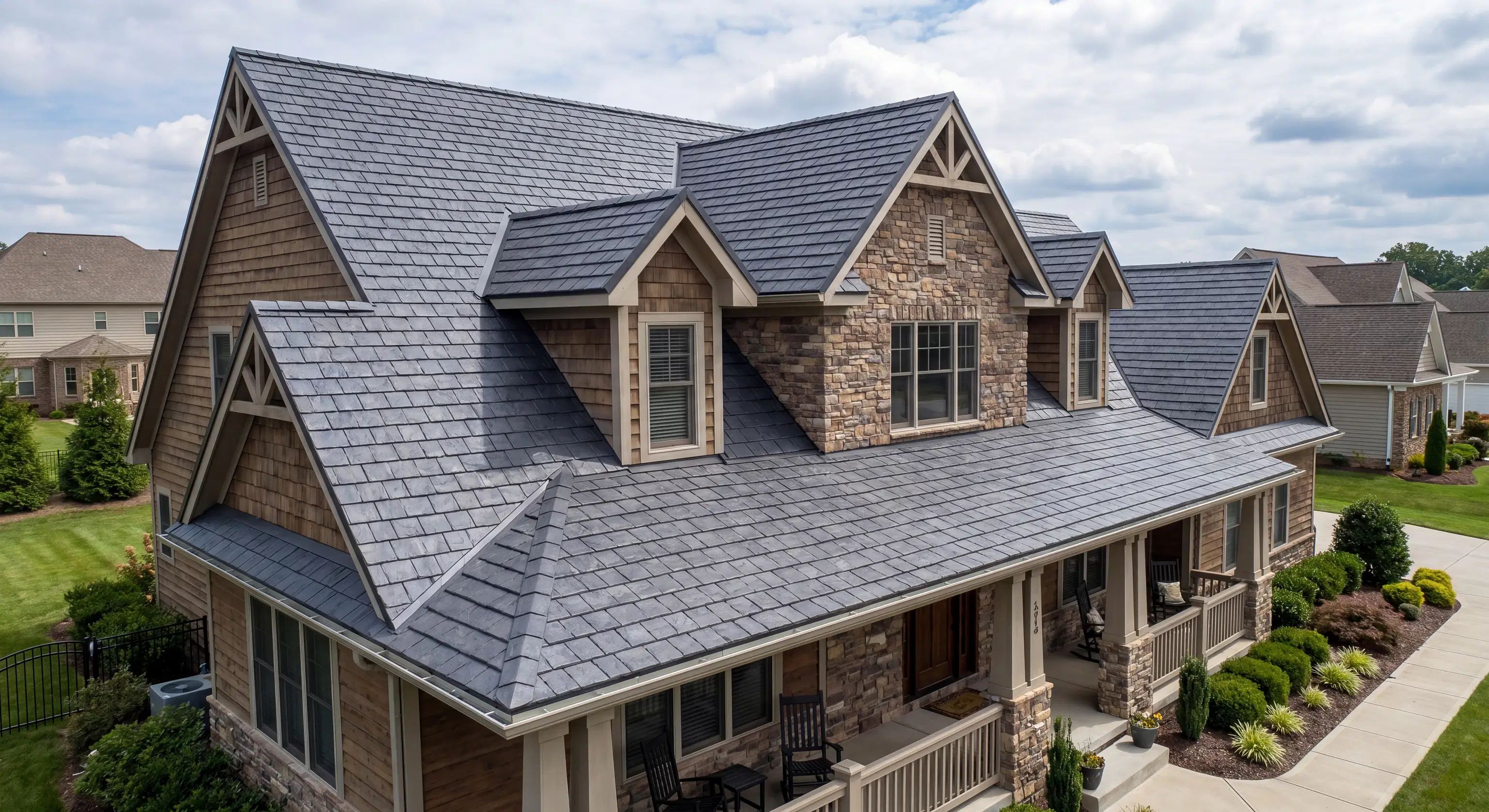
When faced with a failing gutter system, some homeowners try to cut costs by simply hanging new gutters over old, questionable wood. This is a temporary bandage on a permanent problem. The golden rule of exterior home maintenance is prioritizing fascia replacement before gutter installation. Hanging brand-new, heavy-gauge seamless gutters on rotting wood is like building a beautiful new house on a crumbling foundation. Within a year or two, you will find those new gutters sagging and pulling away just like the old ones.
By replacing the damaged wood first, you guarantee a solid, secure anchor point for the new gutters. This ensures they maintain their proper pitch and can easily withstand the heavy snow loads and torrential downpours typical of our climate. Upgrading to modern, durable materials during a fascia board installation provides peace of mind that your roofline is fully protected against moisture intrusion for decades to come.
At No. 1 Exteriors, we believe in doing the job right the first time. We treat every home in the Donut Counties with genuine Hoosier hospitality, meaning we won't try to sell you a quick fix when a comprehensive solution is what will actually protect your investment. We know that exterior repairs are significant investments, which is why we offer flexible financing options to help you protect your home without breaking the bank. If you suspect your roofline is suffering from wood rot, or if your gutters are beginning to pull away, don't wait for the next storm to test them. Reach out to our team today through our contact us page to schedule a thorough inspection of your home's exterior.