
Don't Let Winter Win: A Hoosier's Guide to Preventing Ice Dams and Roof Damage
Indiana winters can be beautiful, blanketing our neighborhoods in a quiet layer of snow. But for homeowners, that picturesque scene can hide a serious threat: ice dams. These thick ridges of ice along the edge of your roof are more than just an eyesore; they can cause significant damage to your shingles, gutters, and even the interior of your home. As a trusted local roofing expert serving the greater Indianapolis area, we've seen firsthand the costly problems ice dams can create. The good news is that with a little understanding and proactive care, you can protect your home from this common winter menace. This guide will walk you through what causes ice dams, how to prevent them, and what to do if one forms on your roof.
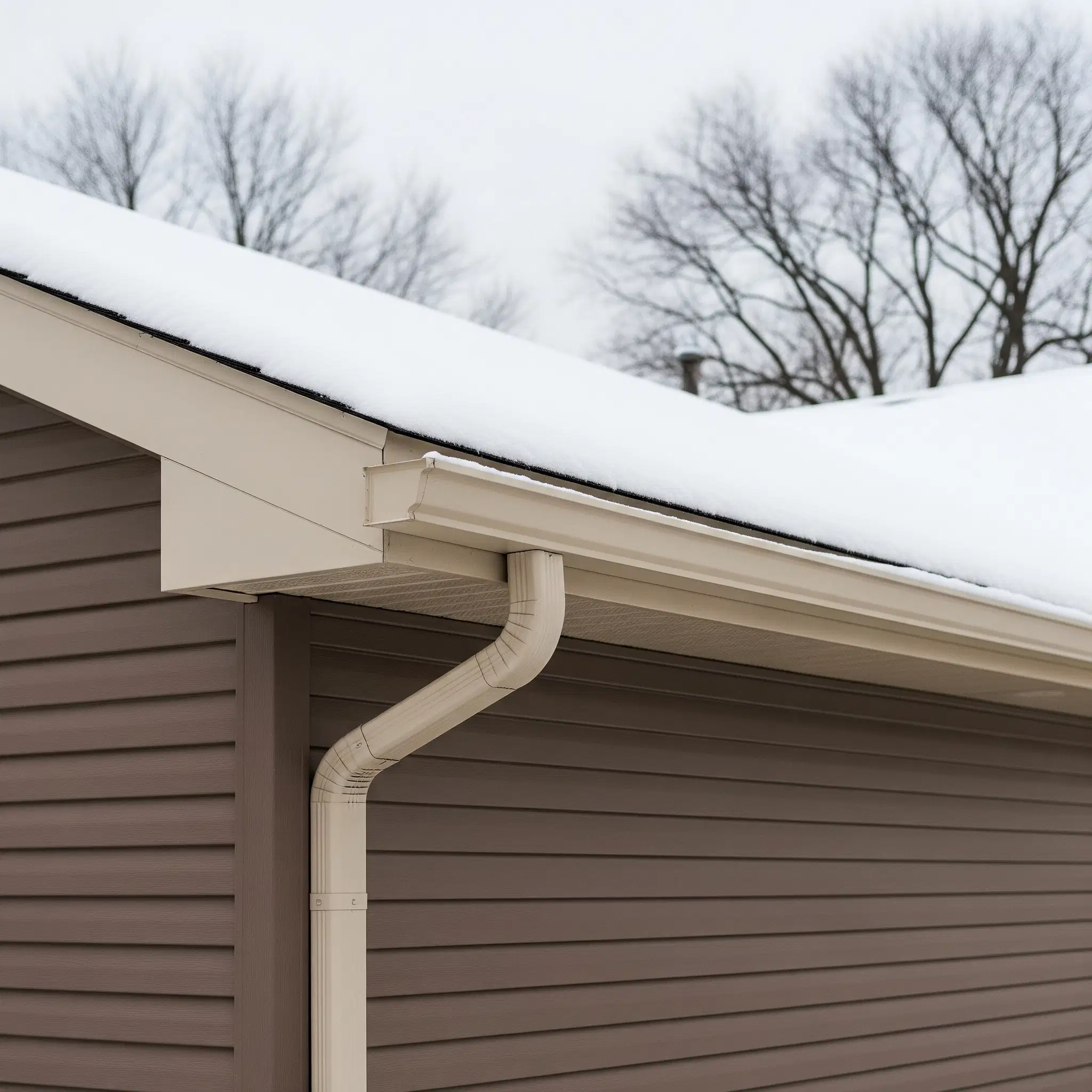
What Causes Ice Dams? Understanding the Cycle
An ice dam forms when a specific cycle of melting and freezing occurs on your roof. It’s not just about the cold weather; it’s about a temperature imbalance between the peak of your roof and its eaves. Here’s how it happens:
- Heat Escapes: Warm air from your living space rises and escapes into the attic. If your attic is poorly insulated, this heat warms the underside of your roof deck.
- Snow Melts: The snow on the upper, warmer part of your roof melts and flows down toward the eaves.
- Water Refreezes: The eaves and gutters extend beyond the heated part of your house, so they remain at or below freezing temperature. When the meltwater reaches this cold edge, it refreezes, creating a small ridge of ice.
As this cycle continues, the ridge grows larger, forming a dam. This dam traps the melting snow behind it, creating a pool of water that can back up under your shingles, soak the roof decking, and eventually leak into your attic and home. The primary culprits behind this damaging cycle are almost always inadequate attic insulation and poor ventilation.
Proactive Prevention: Your Pre-Winter Checklist
When it comes to ice dams, an ounce of prevention is worth a pound of cure. Taking these steps in the fall, before the first significant snowfall, is the most effective way to protect your home.
- Clean Your Gutters and Downspouts: This is one of the simplest yet most crucial steps. Gutters filled with leaves and debris will stop water from draining properly. When water has nowhere to go, it freezes solid, providing the perfect foundation for an ice dam to form. A clear path for meltwater is your first line of defense.
- Evaluate Your Attic Insulation: The goal is to keep your home's heat where it belongs—inside your living space. A thick, even layer of insulation on your attic floor acts as a barrier, preventing heat from escaping and warming the roof deck. The U.S. Department of Energy has specific recommendations for insulation levels in our climate zone.
- Ensure Proper Ventilation: A cool, dry attic is essential. Your roof system needs a balanced flow of air to keep the roof deck's temperature consistent from peak to eaves. This is typically achieved with soffit vents (which draw in cool air) and ridge or gable vents (which exhaust warm, moist air). Proper ventilation helps prevent the snow-melting cycle from starting. If your soffits are blocked or damaged, it can disrupt this entire system. We can help with professional soffit repairs and replacement.
- Schedule a Professional Inspection: Before winter sets in, having a professional conduct a thorough roof inspection can identify potential vulnerabilities. A trained expert can spot signs of poor ventilation, damaged shingles, or flashing issues that could contribute to winter damage.

Signs of Trouble: How to Spot an Ice Dam Problem
Even with preparation, it's important to know the warning signs of an active ice dam or the damage it may be causing. Keep an eye out for these red flags, which you can often spot safely from the ground.
Exterior Signs:
- A Ridge of Ice: The most obvious sign is a noticeable ridge of ice along the eaves.
- Large, Abundant Icicles: While some icicles are normal, an excessive number of them, especially if they are forming behind the gutter or across the soffit, indicates that water is freezing where it shouldn't be.
- Ice Behind Gutters: If you see ice building up on the soffit behind the gutter, it’s a clear sign that water is overflowing the dam.
Interior Signs:
- Water Stains: Look for discoloration or damp spots on the ceiling or along exterior walls, particularly in the corners where the wall meets the ceiling.
- Peeling Paint: Moisture seeping into the wall cavity can cause paint to bubble or peel.
- Dampness in the Attic: If it's safe to do so, check your attic for wet insulation or water stains on the underside of the roof decking.
You Have an Ice Dam. Now What?
If you spot an ice dam on your roof, your first instinct might be to grab a ladder and a hammer. Please don't. Trying to chip away at the ice can cause serious damage to your shingles and gutters, and getting on an icy roof is extremely dangerous. Similarly, using rock salt or chemical de-icers can discolor and corrode your roofing materials, gutters, and siding.
If water is not yet leaking into your home, you can use a long-handled roof rake to carefully pull snow off the first few feet of your roof's edge. Removing the snow stops the melting cycle and can help the ice dam begin to dissipate.
However, if you see water entering your home or the ice dam is too large to manage safely, it's time to call a professional. We have specialized equipment, like low-pressure steamers, that can safely melt the ice without damaging your roof. This is the quickest and most effective way to address a severe ice dam and prevent further damage. For urgent situations, our emergency repair team is ready to help protect your home.
Protect Your Home This Winter with No. 1 Exteriors
Winter in Indiana doesn't have to be a source of stress for homeowners. By understanding the causes of ice dams and taking proactive steps, you can keep your roof healthy and your home safe and dry. A well-maintained roofing system—including proper insulation, ventilation, and clean gutters—is your best defense against winter roof damage.
If you're concerned about your roof's readiness for winter or are currently dealing with the aftermath of an ice dam, don't hesitate to reach out. The team at No. 1 Exteriors is here to provide trusted, professional solutions. Contact us today to schedule a comprehensive roof inspection or to get expert help with any necessary roof repairs. We're proud to serve our neighbors throughout the Indianapolis community.