
Diagnosing and Repairing Damaged Roof Flashing
When water starts dripping from your ceiling, your first instinct might be to panic about a catastrophic roof failure. However, the culprit behind a frustrating roof leak is often much smaller and more isolated than a widespread shingle issue. More often than not, the problem traces back to a specialized piece of metal known as roof flashing. For fellow Hoosiers dealing with our notoriously unpredictable weather, understanding how this vital component works can save you from severe structural damage and costly interior restoration.
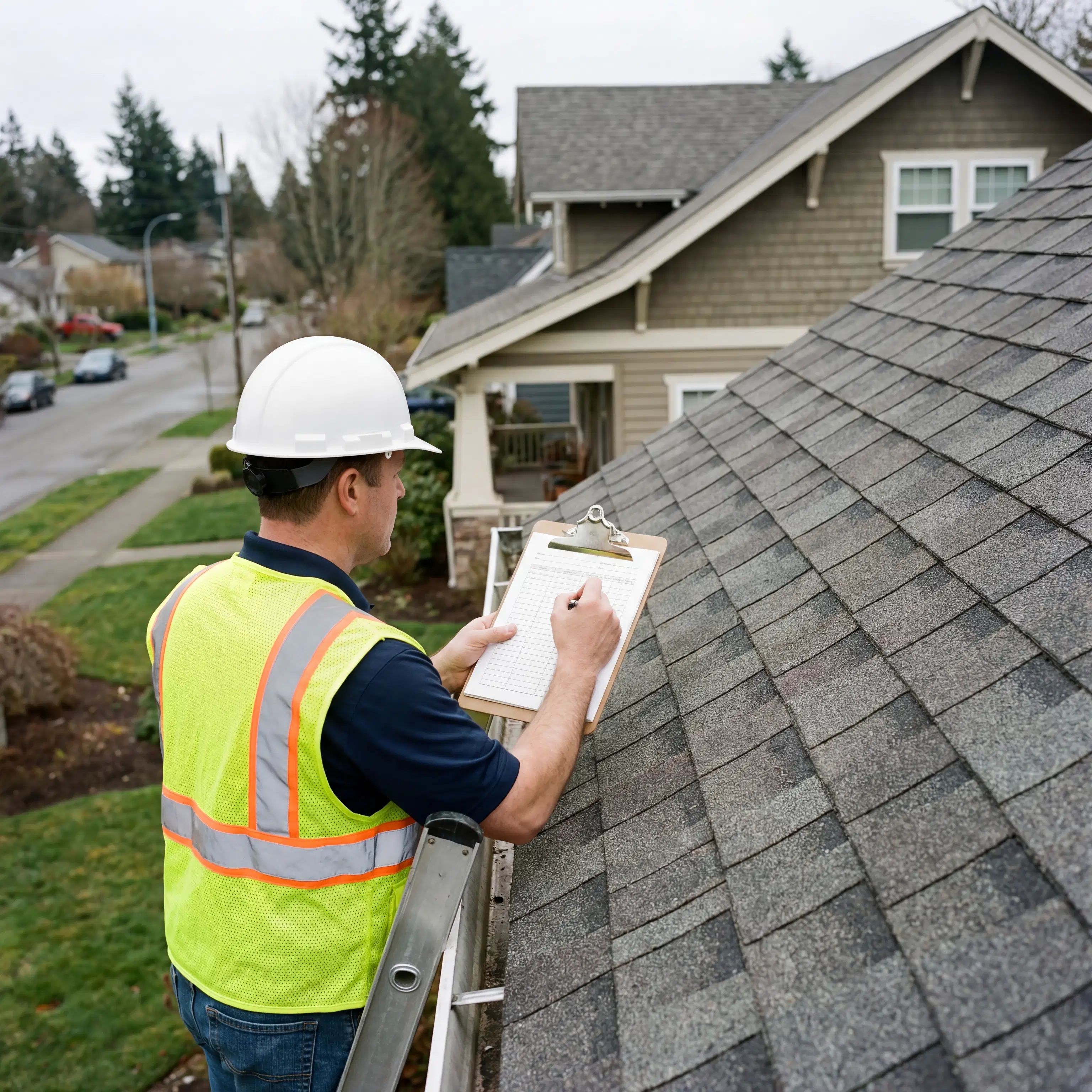
Flashing acts as the frontline defense for your home's most vulnerable areas. It is designed to direct water away from seams, joints, and intersections where water is most likely to seep inside. Unfortunately, high winds, heavy rain, and seasonal temperature swings can eventually cause these metal strips to bend, rust, or separate from the roof deck. Because identifying the exact source of a leak can be notoriously tricky, scheduling regular roof inspections is a proactive way to catch these small vulnerabilities before they turn into major structural headaches.
The Role of Flashing and Why It Fails
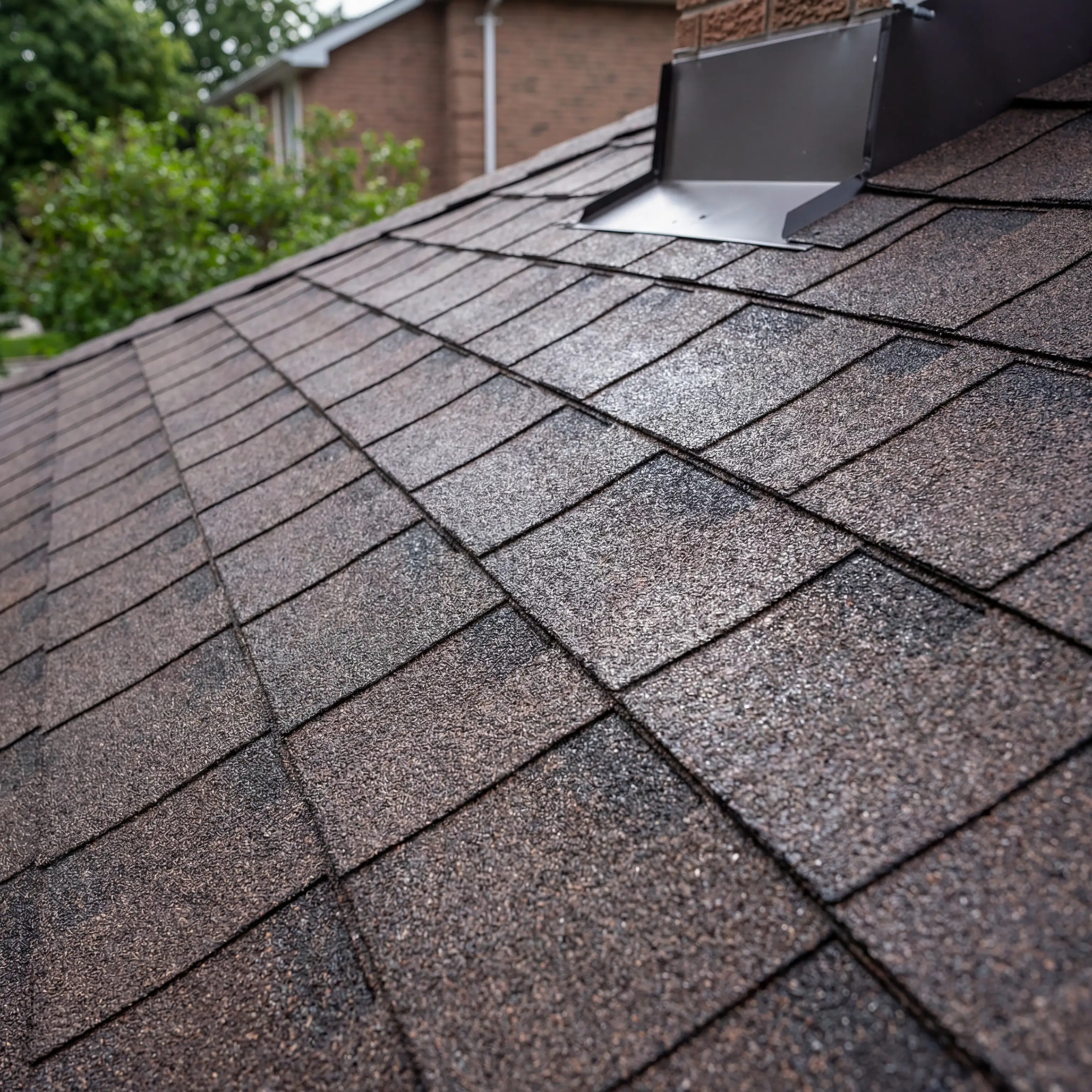
To understand why roof flashing is so important, you have to look at the anatomy of your home's exterior. Wherever your roof changes direction or meets a vertical surface—like a dormer window, a skylight, or a vent pipe—there is a seam. Without proper protection, water would pour directly into your attic through these gaps. Roofing contractors install pieces of galvanized steel, aluminum, or copper over these joints to bridge the gap and seal the area.
One of the most common issues homeowners face involves understanding the difference between step flashing vs counter flashing leaks. Step flashing consists of L-shaped pieces of metal woven between your shingles and running up the side of a vertical wall or chimney. Counter flashing is then installed into the brick or siding to cover the top edge of the step flashing, ensuring water flows down and away. When a leak occurs in these areas, it is usually because the sealant holding the counter flashing has deteriorated, or the step flashing has been knocked loose by severe weather or structural settling.
Our dramatic seasonal fluctuations play a massive role in these failures. The cycle of freezing winter ice and baking summer heat causes roofing materials to expand and contract constantly. Over time, this natural shifting pulls nails loose, breaks caulking seals, and creates microscopic gaps where water easily intrudes. When you combine this with the occasional severe storm, it is easy to see why flashing issues are a leading cause of residential water damage.
How to Spot the Warning Signs
Catching a flashing problem early requires a bit of vigilance. While some damage is obvious, other indicators are much more subtle. One of the most critical areas to monitor is the masonry structure extending through your roof. If you know what to look for, spotting the signs of damaged chimney roof flashing can prevent water from rotting the surrounding wood decking or running down into your living room.
From the ground, look for pieces of metal that appear bent, lifted, or missing altogether. If you notice rust spots or heavy corrosion around your chimney, vents, or skylights, the metal's protective coating has failed and water is likely finding its way through. Inside your home, the warning signs are usually more apparent. Brown water stains on your ceiling, bubbling paint on your walls, or a persistent musty smell in your attic are all strong indicators that you need professional roofing services to track down the intrusion.
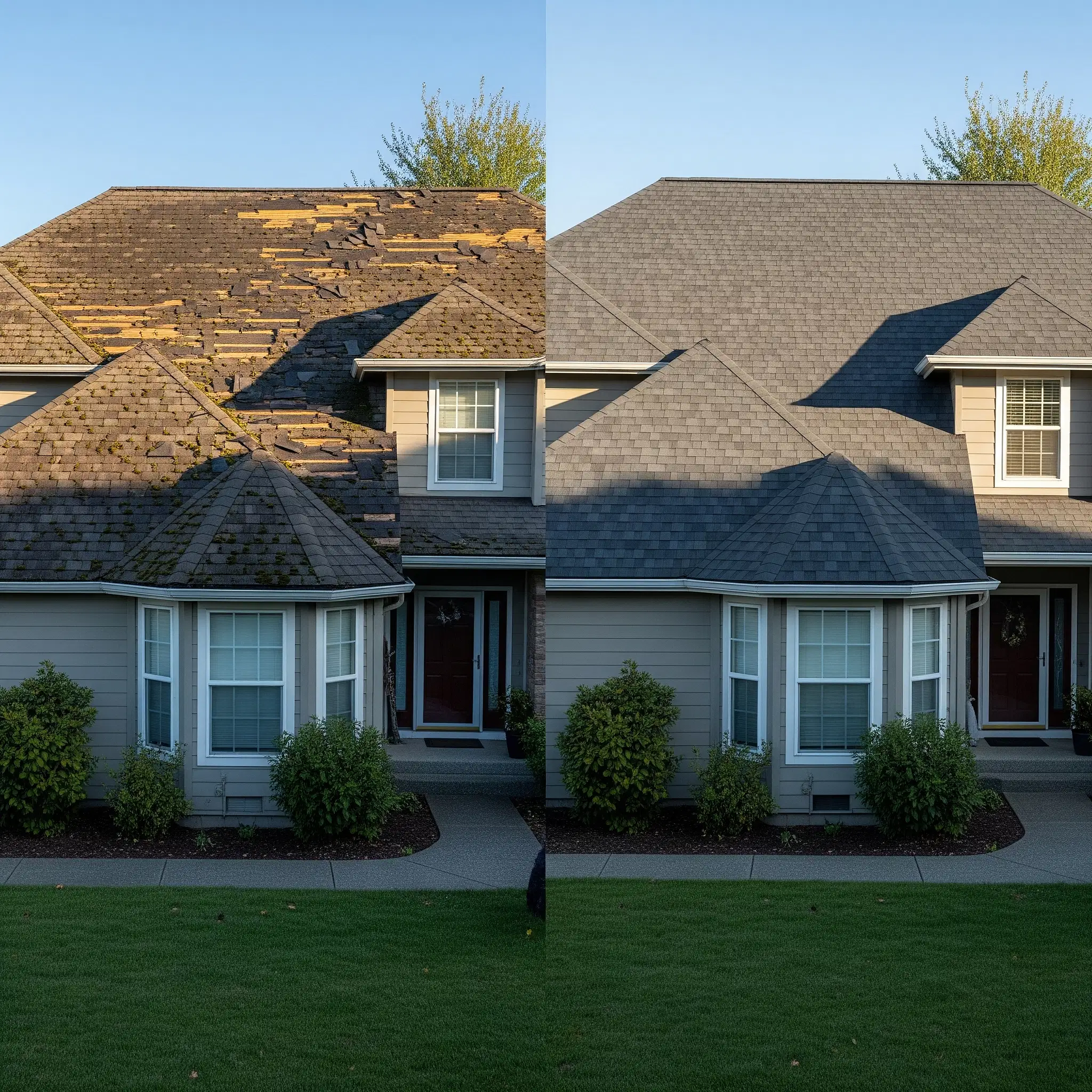
Many homeowners naturally wonder how to tell if their roof needs replacing entirely or if a localized repair will suffice. If the majority of your asphalt shingles are still lying flat, retaining their granules, and fall well within their expected lifespan, a targeted flashing replacement is often all that is necessary. However, if the shingles surrounding the flashing are brittle, curled, or the underlying decking is soft and rotting, it might be time to discuss more comprehensive roofing solutions.
Navigating the Repair Process
When faced with active water intrusion, property owners often ask how to repair leaking roof flashing. While there are countless DIY tutorials available online, this is rarely a weekend project for the average homeowner. Improperly layering metal, using the wrong type of roofing cement, or failing to integrate the flashing correctly with the surrounding shingles usually results in a much worse leak during the next rainstorm.
Professional roof leak repair involves carefully removing the shingles surrounding the compromised area without damaging them. The old, failed metal and degraded sealant are entirely removed down to the roof deck. After inspecting the underlying wood for rot and applying a fresh layer of waterproof underlayment, the contractor will measure, cut, and bend new metal to fit the exact contours of the joint. Finally, the shingles are rewoven around the new installation, and high-grade exterior sealant is applied to guarantee a watertight finish.
It is crucial to partner with an established, licensed local company for this type of detailed work. After severe weather rolls through the region, it is common to see out-of-state storm chasers knocking on doors, offering to patch things up quickly. Unfortunately, these fly-by-night operations frequently use subpar materials and leave town long before their temporary fixes fail. Relying on an experienced local crew for your roof repairs ensures that the workmanship is backed by someone who will be around to honor their warranty and stand by their local reputation. If a sudden storm has left your flashing torn away and water pouring in, securing prompt emergency repair services from a trusted neighbor is your best defense against extensive property damage.
Protecting Your Home for the Long Haul
Your home's roof is a complex system of overlapping materials designed to work together in harmony. When just one small section of flashing fails, the integrity of the entire system is compromised. By understanding the common failure points and knowing what visual cues to look for, you can take action before a minor drip turns into a major interior restoration project.
At No. 1 Exteriors, we understand the stress that comes with unexpected home repairs. We take pride in helping our neighbors throughout the greater Danville area secure their homes against the elements with honest assessments, transparent pricing, and unparalleled craftsmanship. Whether you need a routine inspection to check your chimney's weatherproofing or an immediate intervention for an active leak, our team is ready to help. Reach out to us today to schedule a thorough evaluation, and let us ensure your home is fully protected for the seasons ahead.