
A Property Manager's Guide to Protecting Commercial Roofs from Indiana's Storm Season
For commercial property managers in the Indianapolis area, the term "storm season" brings a unique set of challenges. The threat of high winds, torrential rain, and hail isn't just an inconvenience; it's a direct risk to your building's integrity, your tenants' operations, and your bottom line. An unexpected roof leak can lead to costly interior damage, business disruptions, and emergency repairs that strain your budget. The key to navigating Indiana's unpredictable weather isn't just reacting to damage—it's proactively protecting your investment. This guide will walk you through the essential steps for preparing your commercial roof, understanding its vulnerabilities, and knowing what to do when a storm hits.
Understanding the Threat: How Storms Target Commercial Roofs
Unlike the sloped roofs of most residential homes, commercial properties often feature low-slope or flat roofs. While efficient for housing HVAC systems and maximizing space, they have unique vulnerabilities, especially during severe weather. Understanding these weak points is the first step in effective prevention.
- Water Pooling (Ponding): Heavy, intense rainfall can quickly overwhelm inadequate or clogged drainage systems. When water pools on a flat roof for more than 48 hours, it accelerates the deterioration of roofing materials, weakens seams, and significantly increases the risk of a leak.
- Wind Uplift: The powerful winds common in Hoosier thunderstorms can create immense pressure on the edges and corners of a roof. If flashing or edge materials are loose, wind can get underneath the roofing membrane, lifting it and potentially tearing large sections away.
- Hail and Debris Impact: Hailstones and wind-blown debris can cause punctures, cracks, and dents in roofing membranes like TPO, EPDM, and PVC. While a small puncture might not seem critical at first, it creates an entry point for water that can lead to widespread damage over time.
- Seam and Flashing Failure: The most common points of failure on any commercial roof are the seams where material is joined and the flashing around vents, skylights, and rooftop units. Weather-related stress causes these areas to expand and contract, which can eventually break their watertight seals.
The Proactive Defense: Your Pre-Season Inspection Checklist
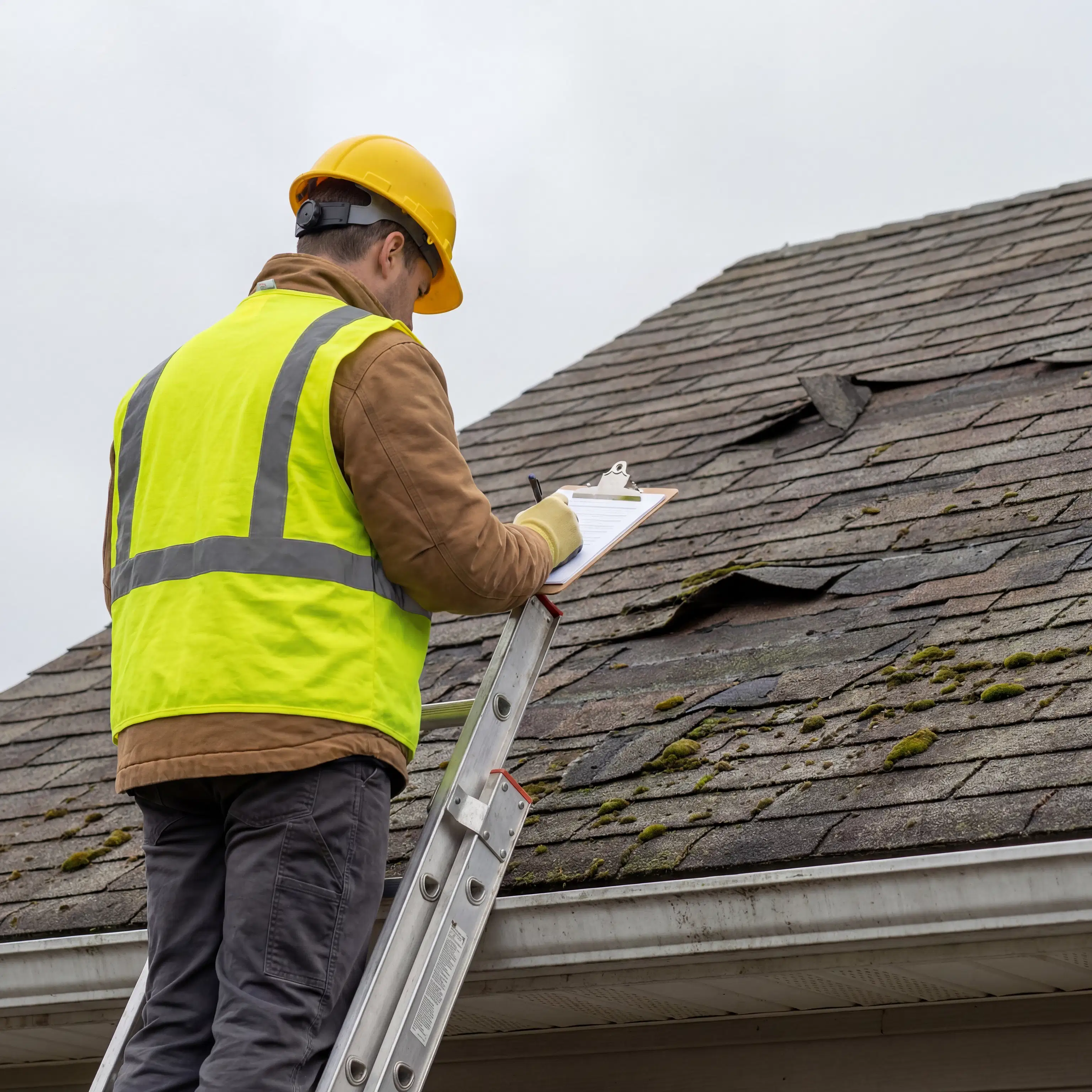
Preventative maintenance is the most cost-effective strategy for any property manager. A thorough inspection before the worst of the storm season arrives can identify minor issues before they become major catastrophes. While a professional roof inspection is always recommended, here is a checklist of what should be assessed.
- Clear All Drainage Systems: Ensure that all drains, scuppers, and gutters are completely free of leaves, dirt, and debris. A blockage is the number one cause of water ponding.
- Conduct a Visual Surface Scan: Look for obvious signs of damage such as blisters, cracks, or punctures in the roof membrane. Pay close attention to areas with heavy foot traffic or around rooftop equipment.
- Inspect All Seams and Penetrations: Carefully examine the flashing around HVAC units, vents, and pipes. Check all seams to ensure they are still fully adhered and watertight. Any separation or cracking is an immediate red flag.
- Secure Rooftop Equipment: Confirm that all service panels on rooftop units are securely fastened. Loose panels can be torn off by high winds, becoming dangerous projectiles and damaging the roof surface.
By scheduling a professional inspection, you can get a detailed report on your roof's condition, allowing you to address vulnerabilities proactively and extend the life of your roofing system.
Choosing the Right Armor: Modern Materials for Commercial Properties
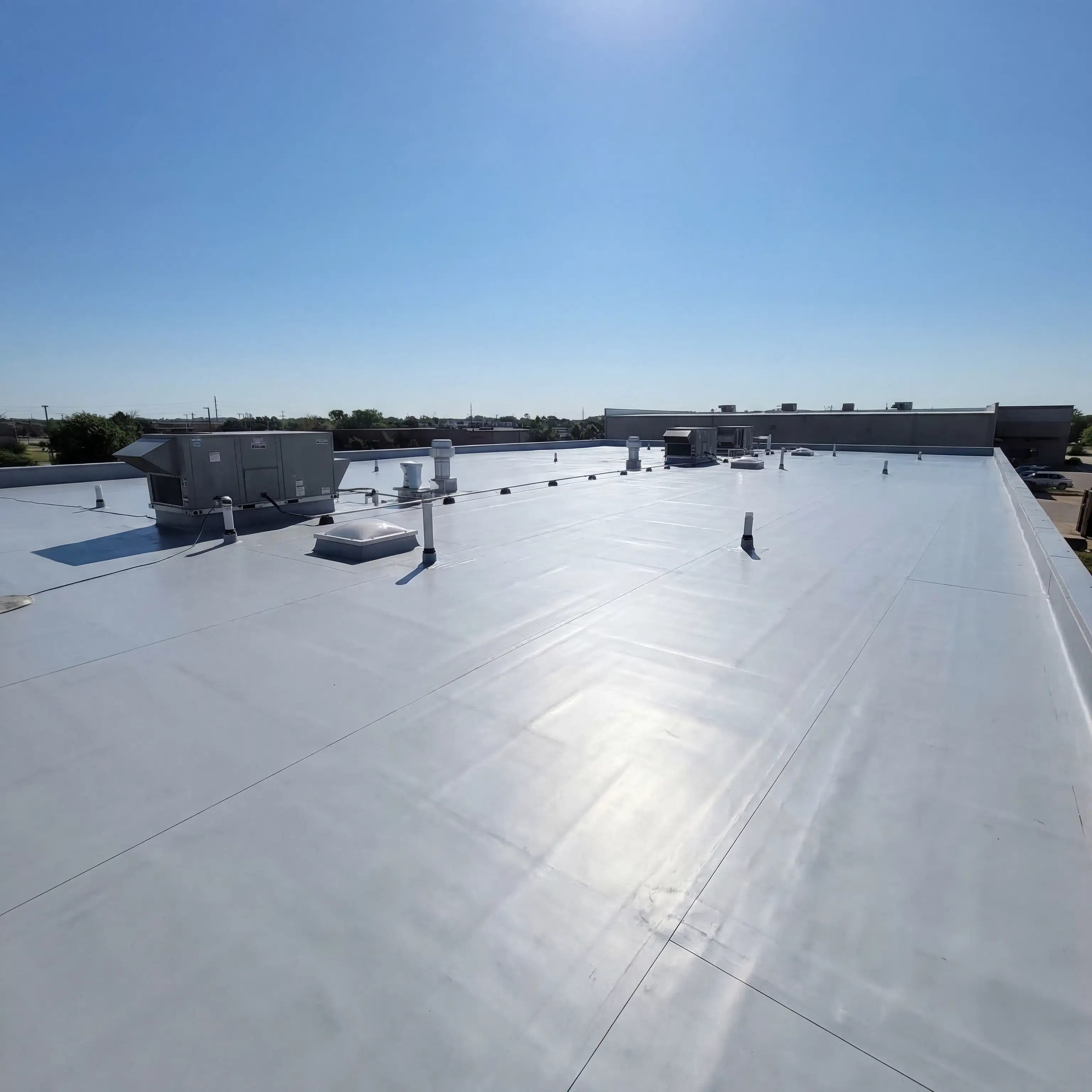
If your commercial roof is aging or has sustained significant damage, a replacement might be the smartest long-term investment. Modern materials are engineered to withstand the specific challenges of our climate. For many commercial and multi-family properties, low-slope rubber roofing systems like TPO (Thermoplastic Olefin) offer superior protection.
TPO roofing is a single-ply membrane known for its exceptional durability and resistance to punctures, tears, and UV degradation. Its seams are heat-welded to form a monolithic, waterproof barrier across the entire roof surface, drastically reducing the risk of leaks compared to older roofing systems. Furthermore, white TPO membranes are highly reflective, which helps lower building temperatures and reduce cooling costs during hot Indiana summers—a key trend in sustainable building practices.
After the Storm: A Plan for Emergency Response
Even with the best preparation, severe storms can sometimes cause unexpected damage. Having a clear plan of action is crucial to minimize downtime and protect your property.
- Safety First: Never send an untrained employee onto a wet or potentially damaged roof. Wait for the storm to pass and contact a professional.
- Assess Interior Damage: From the safety of the building's interior, look for any signs of water intrusion, such as ceiling stains, drips, or puddles. Document these with photos for potential insurance claims.
- Call for Professional Help: Contact a trusted roofing contractor immediately to perform an emergency inspection. At No. 1 Exteriors, we offer emergency repair services to quickly identify the source of a leak and apply a temporary or permanent fix to prevent further damage.
Prompt action can be the difference between a minor repair and a major restoration project. A qualified roofer can not only fix the immediate problem but also provide the necessary documentation for your insurance claim.
Partner with No. 1 Exteriors to Protect Your Investment
Your commercial roof is one of your property's most critical assets. Protecting it from Indiana's storm season requires a proactive approach, expert knowledge, and a reliable partner. By conducting regular inspections, investing in durable materials like TPO, and having a plan for emergencies, you can safeguard your building and ensure business continuity for your tenants.
Don't wait for the next storm to test your roof's integrity. Contact No. 1 Exteriors today to schedule a comprehensive commercial roof inspection for your Indianapolis property and ensure your business is protected all season long.