
A Hoosier's Guide to Protecting Exterior Wood Siding with Fresh Paint
Wood siding offers a classic, undeniable charm to any home. However, living in Indianapolis means your home is subjected to a relentless cycle of extreme weather. We get the blistering, humid days of summer followed rapidly by freezing, ice-heavy winters. This dramatic fluctuation is incredibly demanding on your home's exterior defense systems.
For homeowners who cherish their wood exteriors, routine maintenance is not just a cosmetic luxury; it is a structural necessity. One of the absolute most effective ways to defend your home against Midwest storms and seasonal wear is maintaining a robust, unbroken layer of high-quality paint. A fresh coat acts as your home's armor. It shields the vulnerable organic material beneath from sun, wind, rain, and snow. Without this barrier, moisture easily infiltrates the wood, leading to devastating consequences for your property value and your wallet. In this guide, we will walk through exactly what you need to look for, how the right paint works to protect your home, and why staying ahead of the weather is the smartest move a homeowner can make.
Recognizing the Signs Exterior Wood Siding Needs Repainting
It is incredibly easy for busy families to put off exterior home maintenance, but when it comes to wood, procrastination can lead to complex repairs. So, what are the clear indicators that it is time to call in the professionals?
The most obvious sign is peeling, blistering, or flaking paint. When paint bubbles or strips away, it means moisture has already penetrated the film and is actively working to separate the paint from the wood surface. Fading and discoloration are also significant red flags. While it might seem like a purely aesthetic issue, fading indicates that the paint is breaking down under the intense UV radiation of the summer sun, losing its elasticity and protective qualities.
Additionally, you should look closely for chalking—a powdery, dusty residue that rubs off when you run your hand along the siding. Finally, inspect the caulking around your windows and trim; if it is dried out, cracked, or missing, water has an open invitation to seep behind the boards. Catching these warning signs early gives you the opportunity to address your wood siding needs before simple surface wear escalates into deep structural decay.
The Crucial Role of Preparation
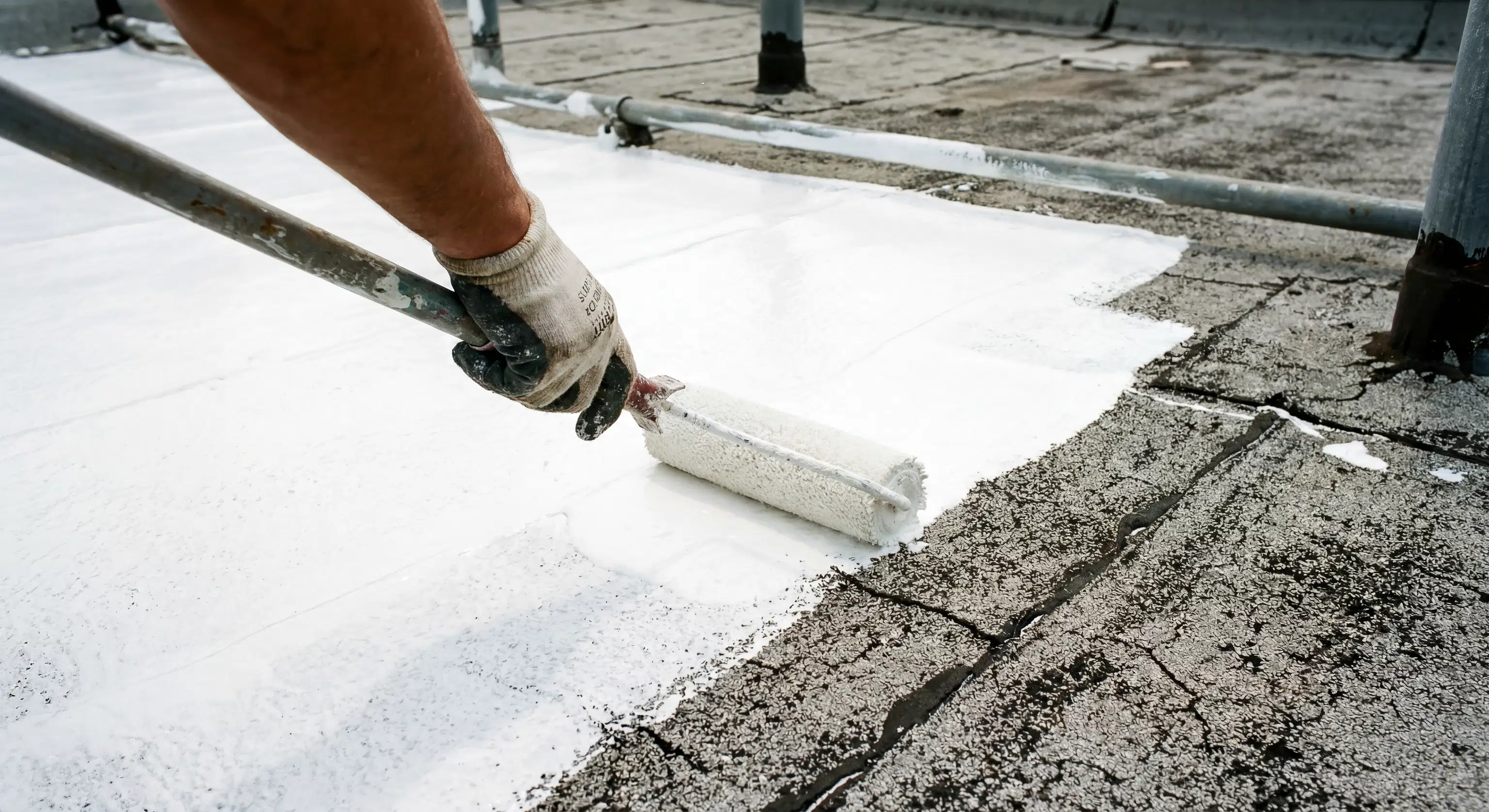
You cannot just slap a new coat of paint over a deteriorating surface and expect it to hold up to an Indiana winter. Proper preparation is the foundation of any lasting exterior project. If the old, failing paint is not meticulously scraped and sanded away, the new paint will simply adhere to the failing layer and peel off right alongside it.
This preparation phase also involves a rigorous inspection of the boards themselves. Any soft, spongy, or compromised wood must be replaced before a single drop of primer is applied. Once the surface is clean, smooth, and structurally sound, applying a high-bond exterior primer is essential. The primer seals the porous wood fibers and creates an ideal, uniform surface for the topcoat to grip. This meticulous attention to detail during the prep phase is what separates a temporary facelift from a long-lasting protective barrier.
How to Prevent Wood Siding Rot with Paint
The primary enemy of any wood exterior is trapped moisture. When water seeps into unprotected boards, it feeds fungal growth, which inevitably leads to rot. Understanding how to prevent wood siding rot with paint comes down to mastering moisture control. A comprehensive exterior painting job creates a watertight envelope around your home, sealing microscopic cracks and locking out humidity.
But not all paints are created equal. Choosing the best exterior paint for weather resistance is a critical decision. High-quality, 100% acrylic latex paints are generally the superior choice for our climate. These modern formulations are designed to remain flexible. As your home's wood expands in the humid summer heat and contracts in the freezing winter cold, acrylic paint stretches and moves with the siding rather than snapping and cracking like older, rigid paints. Furthermore, premium exterior paints contain advanced additives that resist mildew growth and block UV rays, ensuring that the protective barrier remains strong and visually appealing for years to come.
Safeguard Your Home Before the Weather Turns
Keeping up with your home exteriors is one of the best investments you can make in your property's longevity. By proactively addressing peeling paint and applying the right protective coatings, you save yourself the immense headache and financial burden of replacing entirely rotted walls down the road.
At No. 1 Exteriors, we understand exactly what it takes to protect homes across The Donut Counties from our unpredictable climate. We believe in doing the job right the first time, prioritizing meticulous preparation, premium materials, and honest communication. If you are noticing the early warning signs of paint failure, or if you simply want peace of mind before the next big storm season hits, do not wait for the damage to spread. Reach out to our experienced team today for a comprehensive evaluation, and let us help you keep your home safe, dry, and beautiful.