
A Homeowner's Guide to Identifying Storm Damage on Siding and Gutters
Living in Indiana means dealing with our fair share of unpredictable weather. One afternoon might be perfectly sunny, and by the evening, a severe thunderstorm is rolling through Indy with high winds and punishing hail. As fellow Hoosiers, we know exactly how stressful it can be to wake up after a major storm and wonder if your home took a hit. When the skies finally clear, most people immediately look up at their shingles, completely forgetting that the rest of their home's exterior is just as vulnerable to the elements.
Your home's siding and gutters act as a crucial defensive shield against moisture and structural issues. When they become compromised by severe weather, it leaves your property open to leaks, wood rot, and expensive foundation damage. Catching this damage early is the absolute best way to protect your investment and ensure that any potential insurance claims are handled promptly.
However, knowing exactly what to look for isn't always easy. Homeowners are often left wondering how to tell if their exterior simply has normal wear and tear or if it requires immediate professional attention. At No. 1 Exteriors, we believe in empowering our neighbors with the right information. That is why we have put together this comprehensive guide to help you safely evaluate your property after a severe weather event.
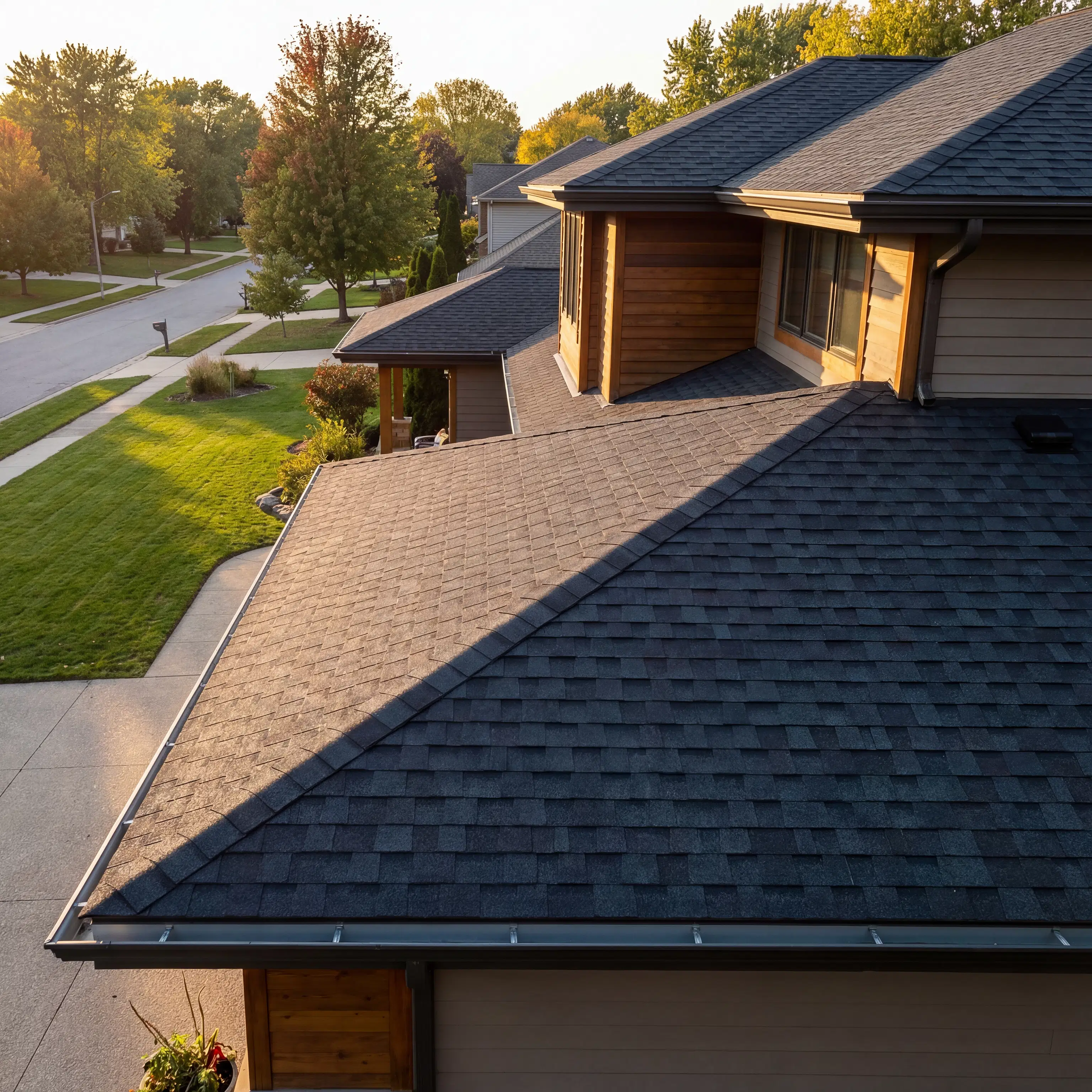
Signs of Storm Damage on Gutters
Your gutter system is responsible for channeling thousands of gallons of water away from your foundation during a heavy downpour. Because they sit at the edge of your roofline, gutters take the brunt of high winds and falling debris. If you are going through an exterior storm damage inspection checklist, your gutters should be one of the very first things you examine.
One of the most obvious signs of storm damage on gutters is denting caused by hail. While a few small dings might seem purely cosmetic, severe hail impacts can actually alter the pitch of the gutters, causing water to pool rather than flow toward the downspouts. You should also look for signs of overflowing water during the next rainstorm, which indicates that debris from the storm has caused a major blockage or that the structural integrity of the gutter channel has been compromised.
Wind damage presents a different set of problems. High-speed gusts can pull gutters away from the fascia board, loosening the fasteners and creating a dangerous gap where water can slip behind the system and rot the wood. If you notice your gutters sagging, pulling away from the house, or if you find metal fasteners lying in your landscaping, it is a clear indicator that the system has been compromised.
We always advise homeowners to prioritize safety. You don't need to climb a steep ladder to look for issues; many of these signs can be spotted safely from the ground using binoculars. If you suspect your system has taken a beating, reaching out for a professional assessment is the safest route. Modern technology, including drone-based inspections, allows reputable contractors to evaluate the entire system with incredible accuracy. When the damage is extensive, proceeding with a full gutter installation and replacement ensures your home is ready to handle whatever the next season brings.
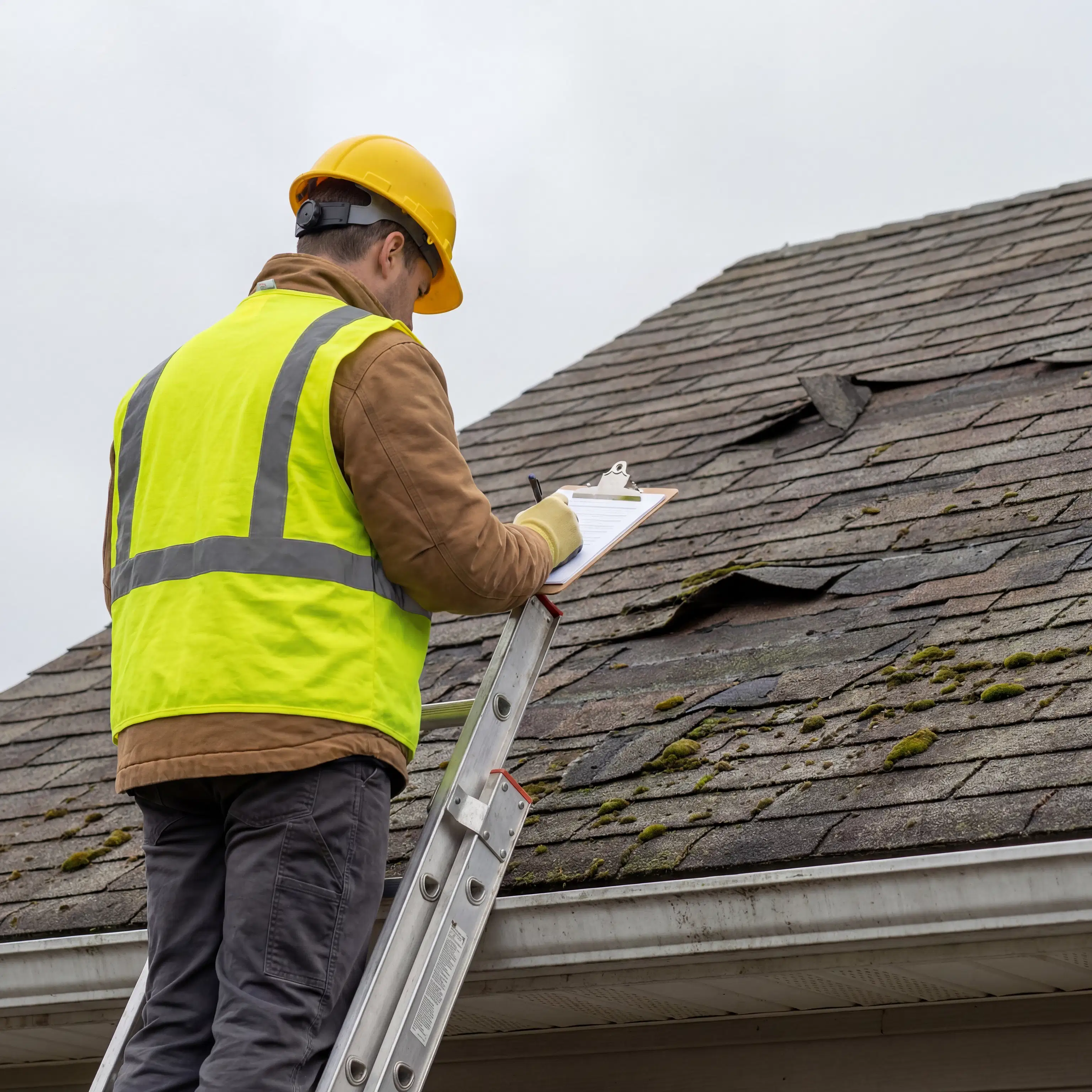
Identifying Hail Damage on Siding
Just like your gutters, your siding is heavily exposed to wind-driven debris and hail. However, identifying hail damage on siding can be tricky because different materials react to impact in entirely different ways. Knowing what to look for based on the type of exterior you have can save you a tremendous amount of time and frustration.
If you have vinyl siding, hail damage typically manifests as cracking, chipping, or actual holes. Because vinyl can become brittle over time, large hailstones can punch semicircular holes directly through the panels, particularly on the sides of the house that face the storm's wind direction. Even small cracks that are difficult to see from a distance can allow moisture to seep behind the panels, leading to trapped moisture and eventual rot.
For homes with wood or fiber cement siding, the damage might look slightly different. You might not see holes, but you will likely notice localized paint chipping, severe denting, or splintering where the hail made impact. Wind damage can also cause siding panels to come loose, rattle loudly, or completely blow off the side of your home.
Unfortunately, the aftermath of a storm often brings out out-of-town "storm chasers" who knock on doors offering high-pressure sales pitches and unusually cheap repairs. These companies often lack local licensing, adequate insurance, or the ability to honor long-term warranties. As a homeowner, it is always in your best interest to trust an established, local company that is fully licensed, bonded, and insured. A reputable contractor will provide transparent, detailed pricing estimates without the pressure tactics. If your exterior envelope has been compromised, scheduling a professional siding installation and replacement with a trusted community partner will give you lasting peace of mind and significantly boost your home's curb appeal.
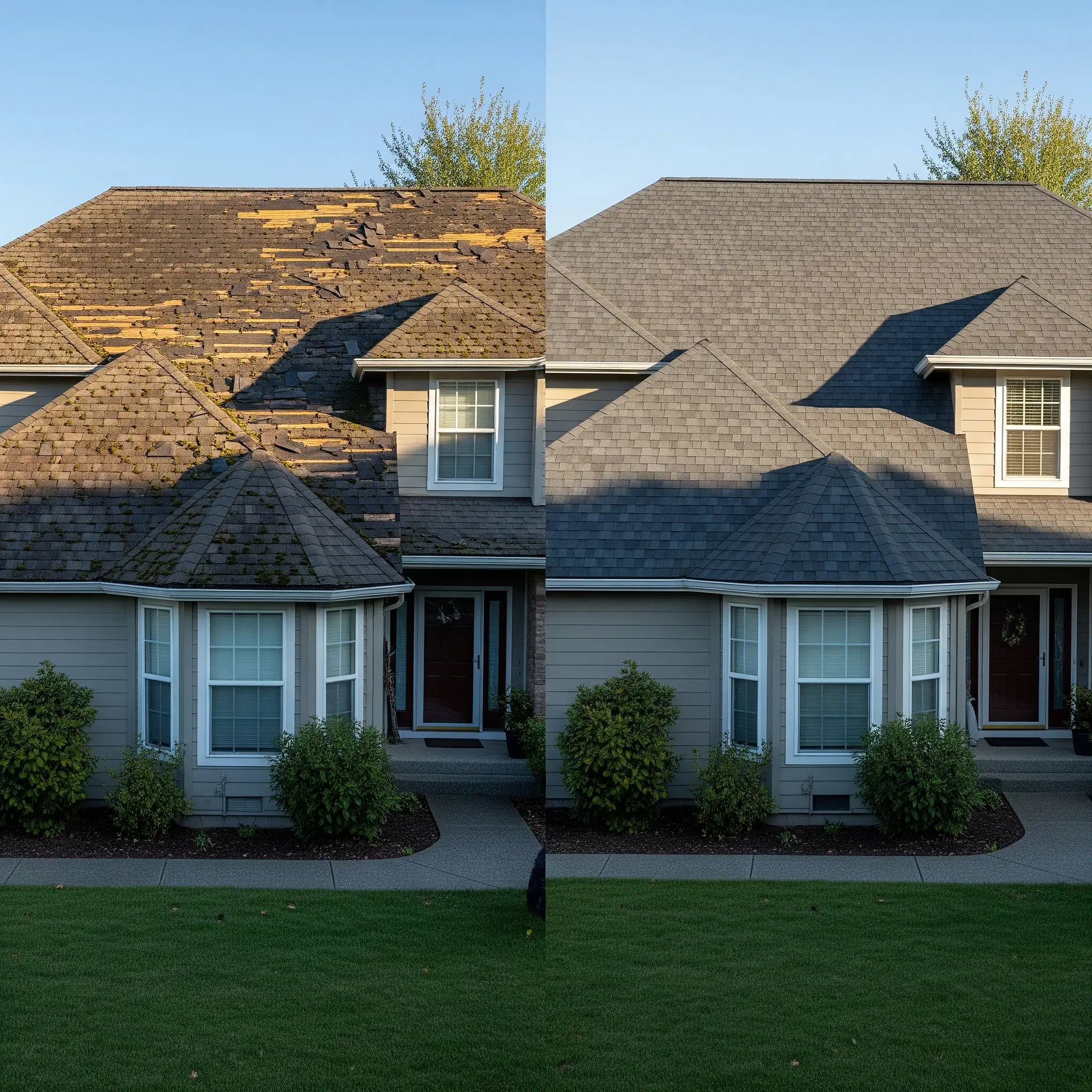
Navigating Insurance Claims and Next Steps
One of the most common questions we hear after a severe weather event is whether homeowners insurance covers the cost of replacing damaged siding and gutters. In most cases, if the damage is the direct result of a sudden act of nature like a hailstorm or windstorm, your policy should provide coverage. However, navigating the claims process, dealing with adjusters, and waiting for delayed payouts can be incredibly stressful.
To make this process as smooth as possible, documentation is key. Take clear photos of any visible damage from the ground, including dented downspouts, cracked siding panels, and any debris that may have caused the impact. Then, before you file a claim, it is highly recommended to have a professional contractor perform a thorough evaluation. We specialize in comprehensive storm damage inspections that give you the accurate, detailed proof you need to hand over to your insurance company. We work to ensure that all the damage is properly documented so you receive the coverage you deserve.
We also understand that dealing with insurance deductibles and the upfront costs of unexpected repairs can severely strain a family's budget. That is why working with a company that offers transparent pricing and flexible financing options is so important. You shouldn't have to put off critical repairs that protect the structural integrity of your home just because of cash flow concerns.
At No. 1 Exteriors, we have built our reputation in the local community by providing honest assessments, top-tier craftsmanship, and exceptional customer service. We treat every home as if it were our own. If you suspect your property has weathered a beating during a recent storm, don't wait for a small crack to turn into a major leak. Contact our team in Danville today to schedule your comprehensive exterior inspection, and let us help you restore your home's strength and beauty.